Industrial Alarm Monitoring
A Raspberry Pi monitoring system bringing 40 alarm inputs, a local operator interface and network access into one application.
Software development and system integration
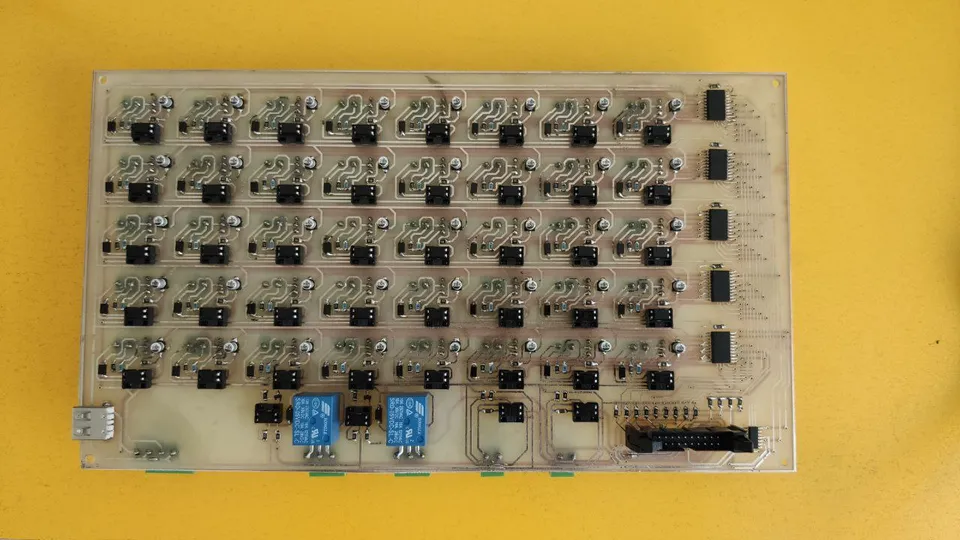
What stands out.
- 40 configurable AC/DC inputs
- Physical, HDMI & browser controls
- Standalone records & networked monitoring
From the problem to the implementation.
The problem
Industrial operators need to see input states, understand alarm events and retain a useful history across local and networked workflows.
The approach
- Connected configurable AC/DC alarm inputs to a Raspberry Pi-based application.
- Built a PyQt interface for input status and operator interaction.
- Combined local event storage with network and web components for monitoring.
What came together
A monitoring-system implementation spanning hardware inputs, the operator interface and database-backed event records.
Inside the project
12 images
 Enlarge image
 Enlarge image
 Enlarge image
 Enlarge image
 Enlarge image
 Enlarge image
 Enlarge image
 Enlarge image
 Enlarge image
 Enlarge image
 Enlarge image
 Enlarge image
See it in action
Alarm monitoring · 01
Alarm-monitoring walkthrough — part 1. Silent demonstration.
Open videoAlarm monitoring · 02
Alarm-monitoring walkthrough — part 2. Silent demonstration.
Open videoAlarm monitoring · 03
Alarm-monitoring walkthrough — part 3. Silent demonstration.
Open videoAlarm monitoring · 04
Alarm-system walkthrough. Silent demonstration.
Open videoHow the system works
Select a block to explore its role.
A guided illustration of the system components.
Industrial alarm inputs
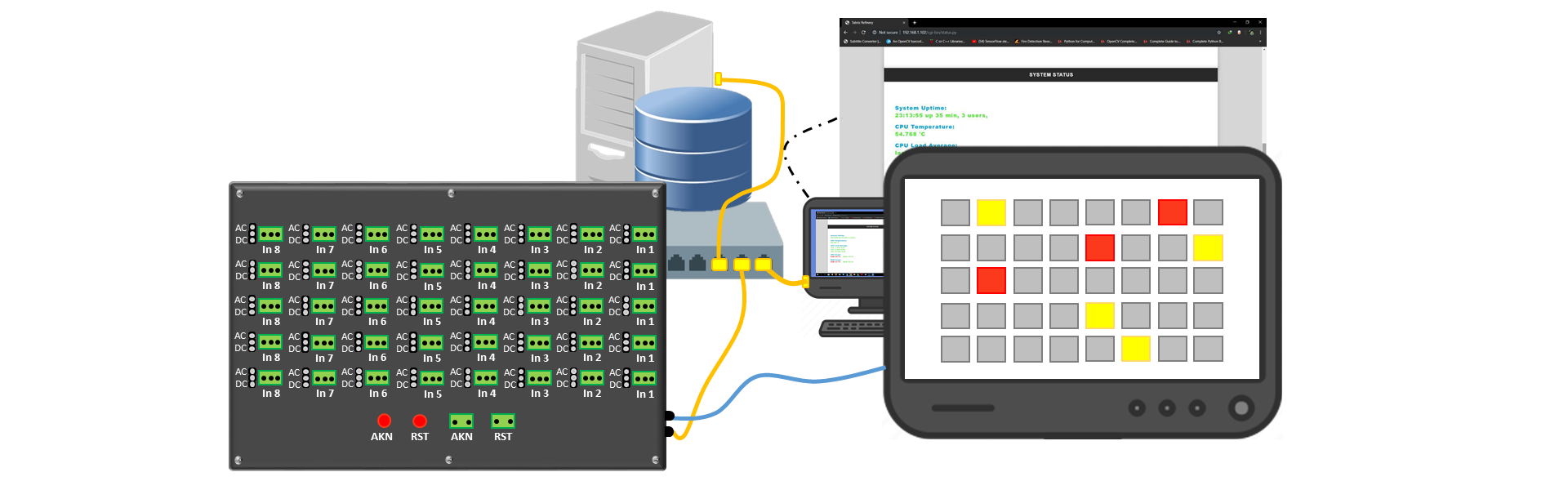
Forty configurable AC/DC input channels feed the custom board.
Isolation and acquisition
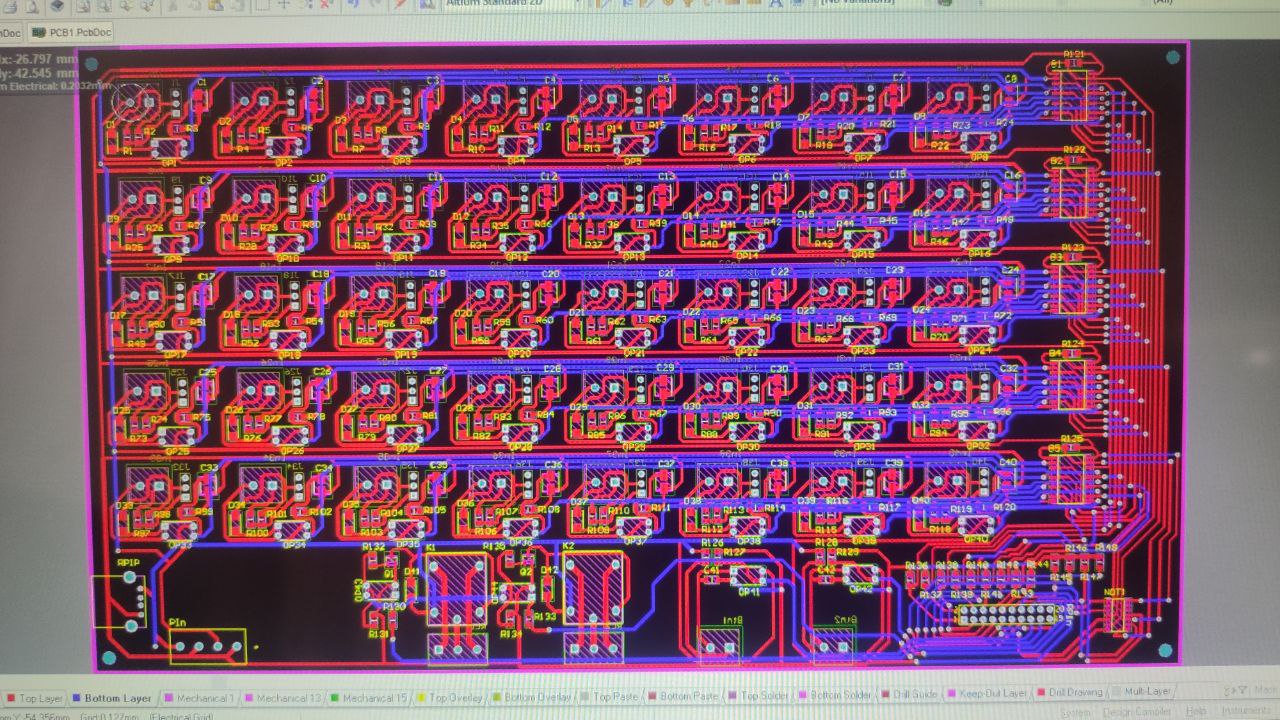
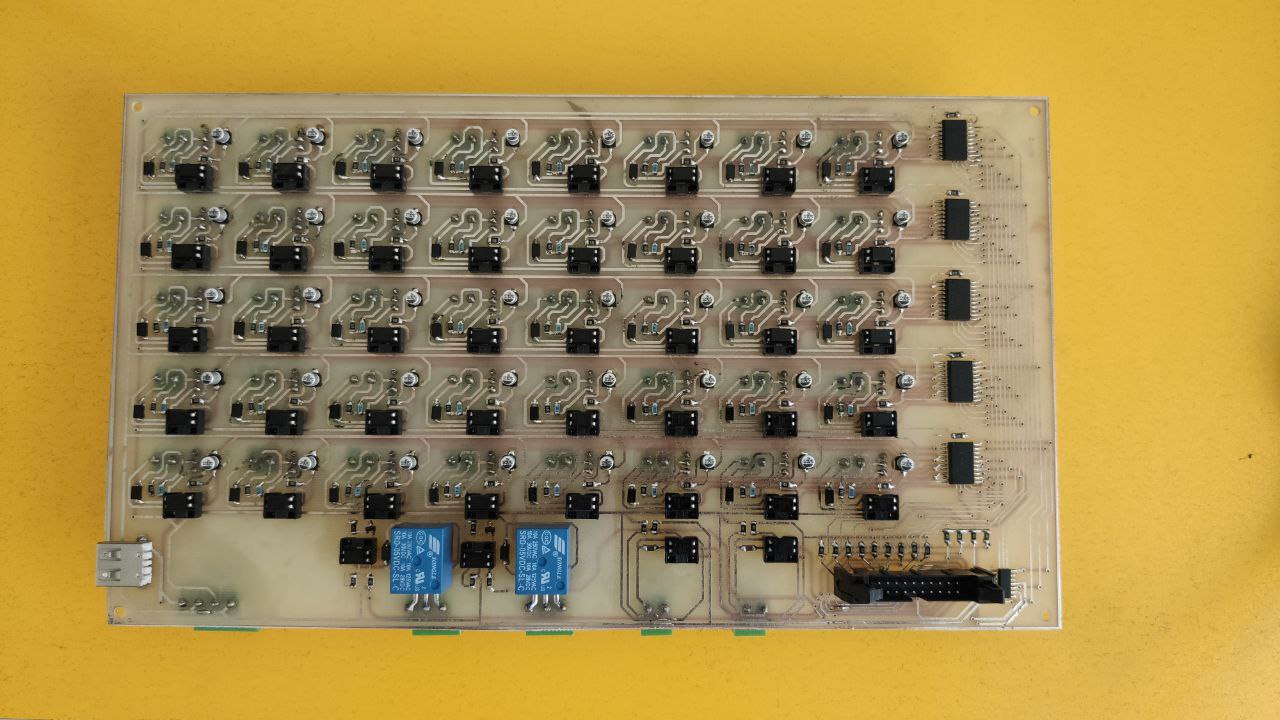
The board uses optocouplers and buffer circuitry; Raspberry Pi GPIO acquires the input states.
Event handling
Python processes alarm events and operator acknowledge/reset commands.
Local persistence
SQLite supports local records when operating standalone.
Operator interfaces
PyQt/HDMI and the local HTTP interface expose state, events and settings.
Network records
The networked mode connects to SQL Server for central access.
The detail behind the build
Preserving the history behind an alarm
An indicator alone cannot explain what happened while an operator was away. This system combines live alarm visibility with stored records so events remain available for review after the initial indication.
Standalone and networked operation
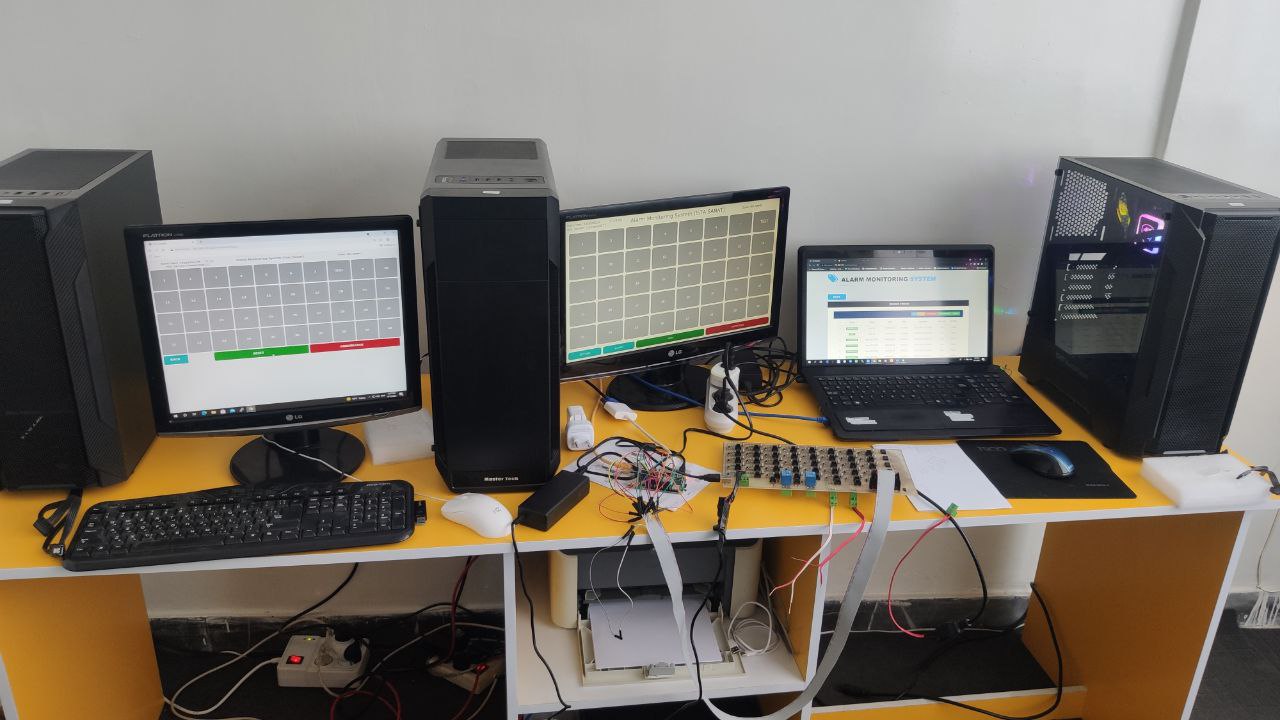
In standalone mode, the device monitors alarms and shutdowns, stores events locally and accepts physical operator commands. In networked mode, it connects to SQL Server and makes the event workflow available across the local network.
Local event storage
Central database connection
Network visibility and control
Three ways to operate the system
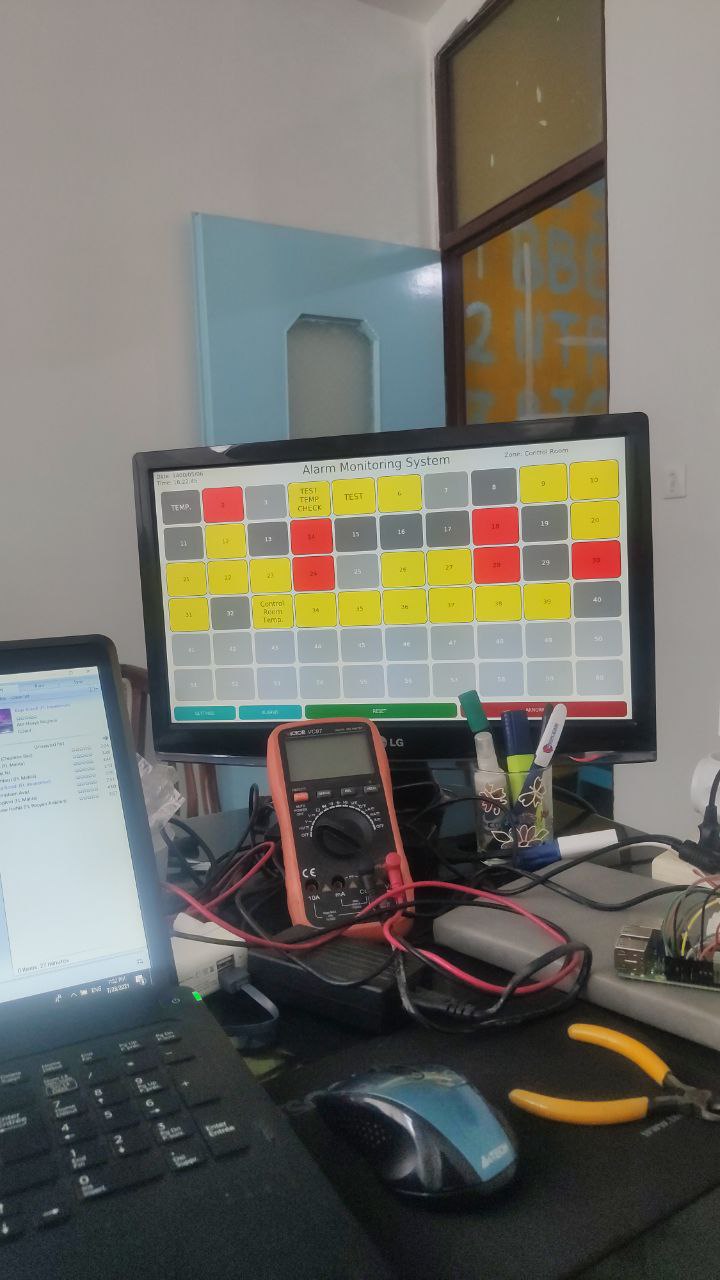
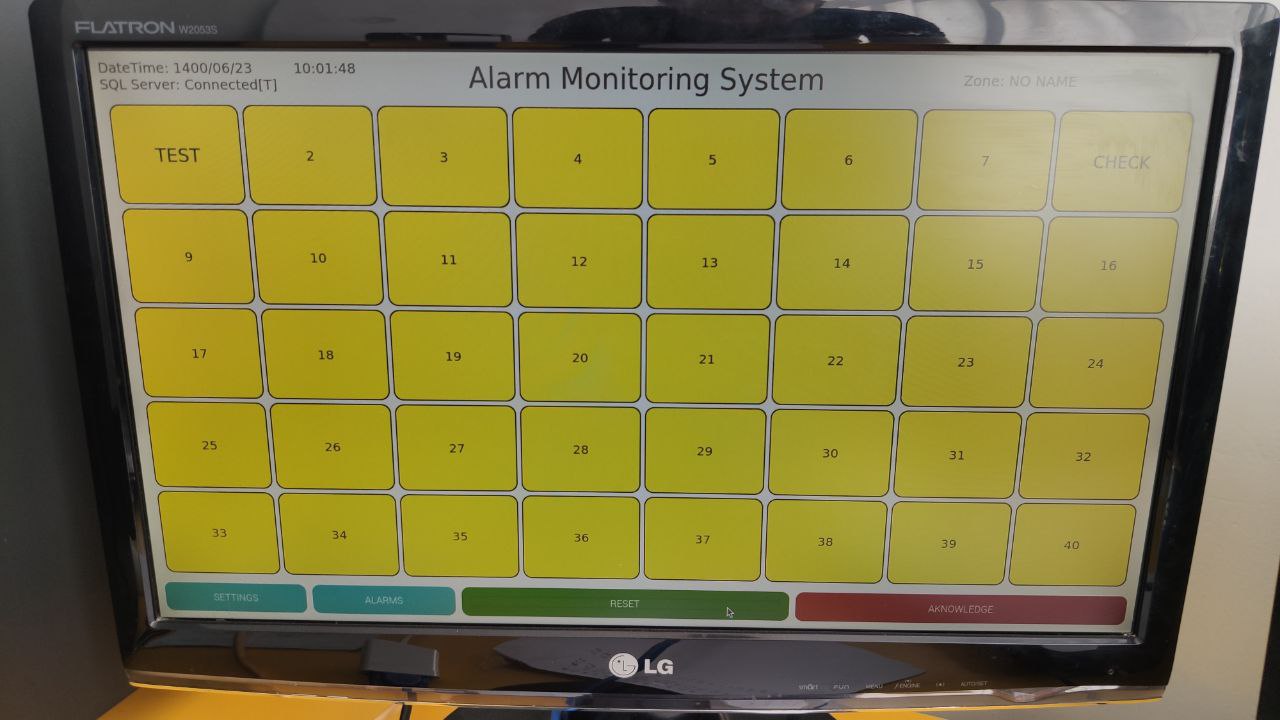
The same alarm workflow is accessible through physical inputs, an HDMI interface and a browser. Operators can acknowledge and reset alarms, change channel titles and input modes, and configure the displayed alarms.
Hardware acknowledge/reset controls
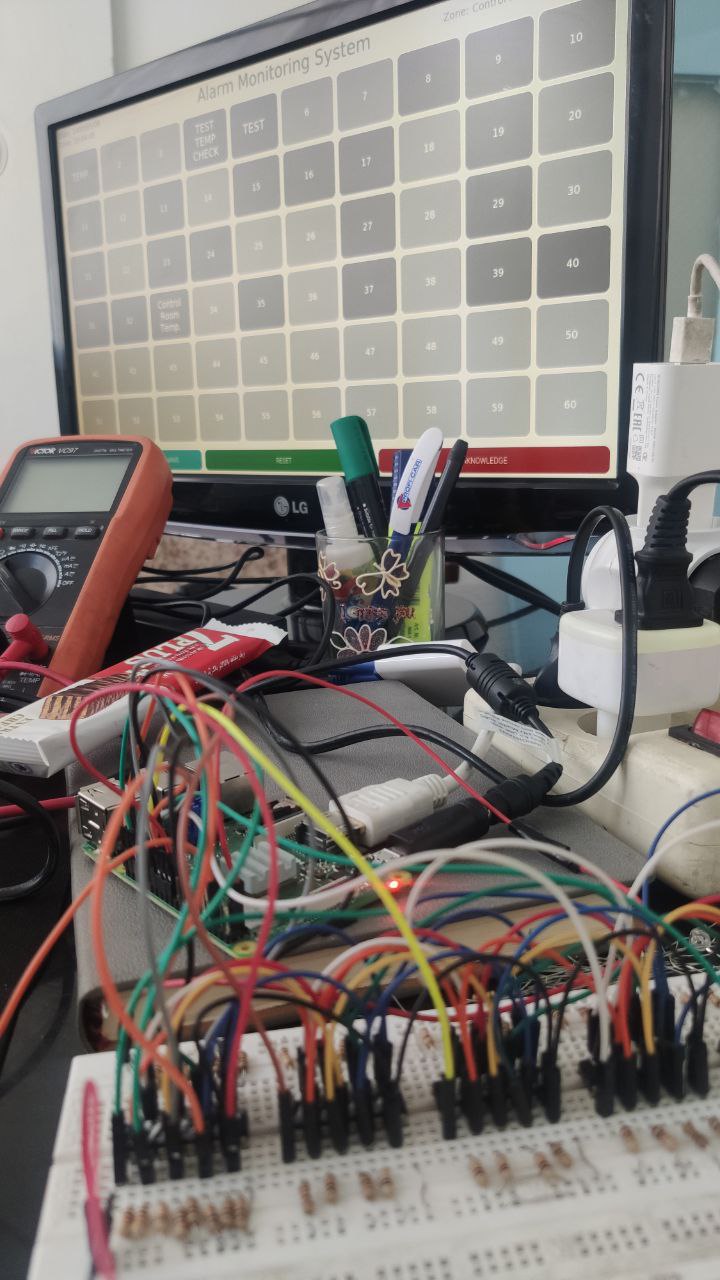
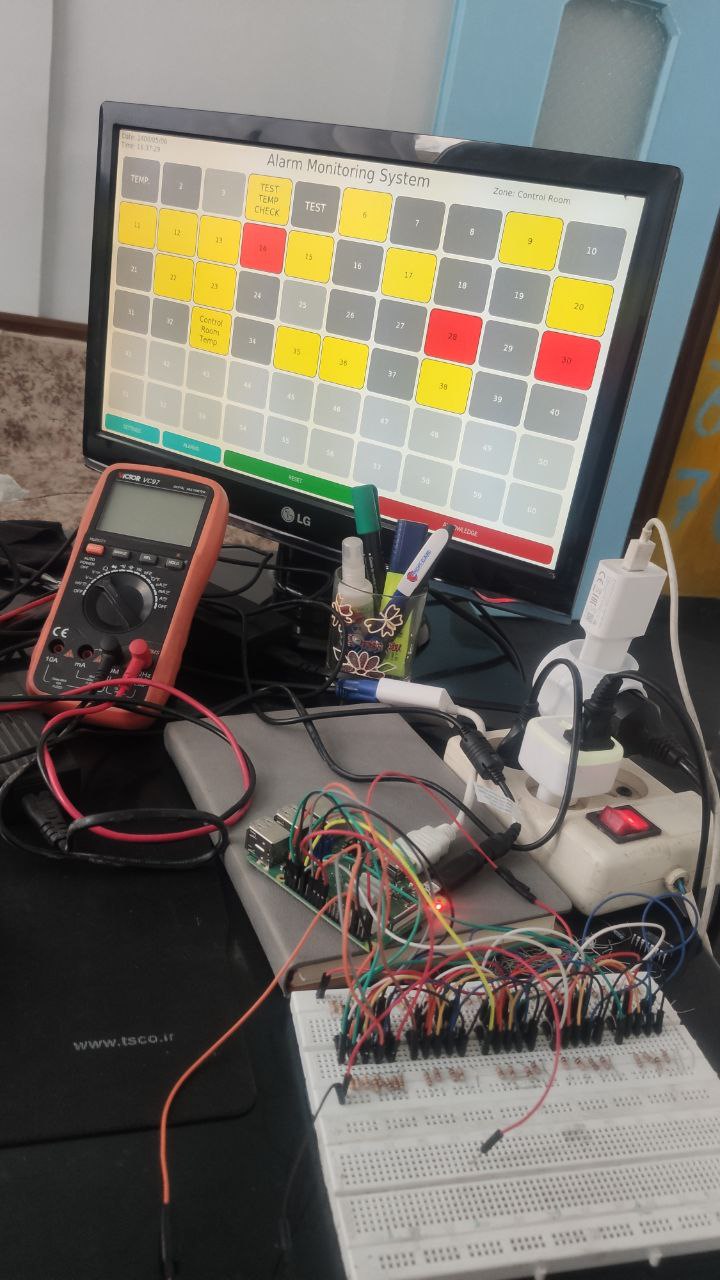
PyQt interface on HDMI
Local-network web interface
Forty channels, one interface
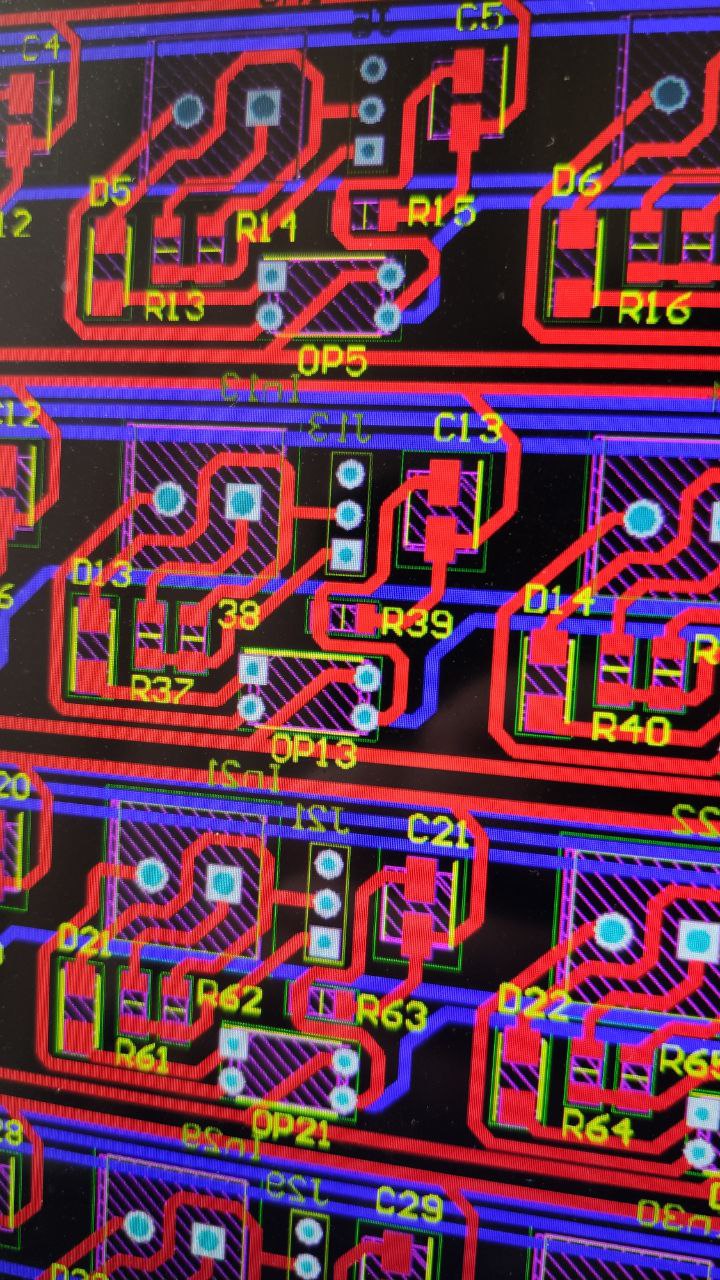
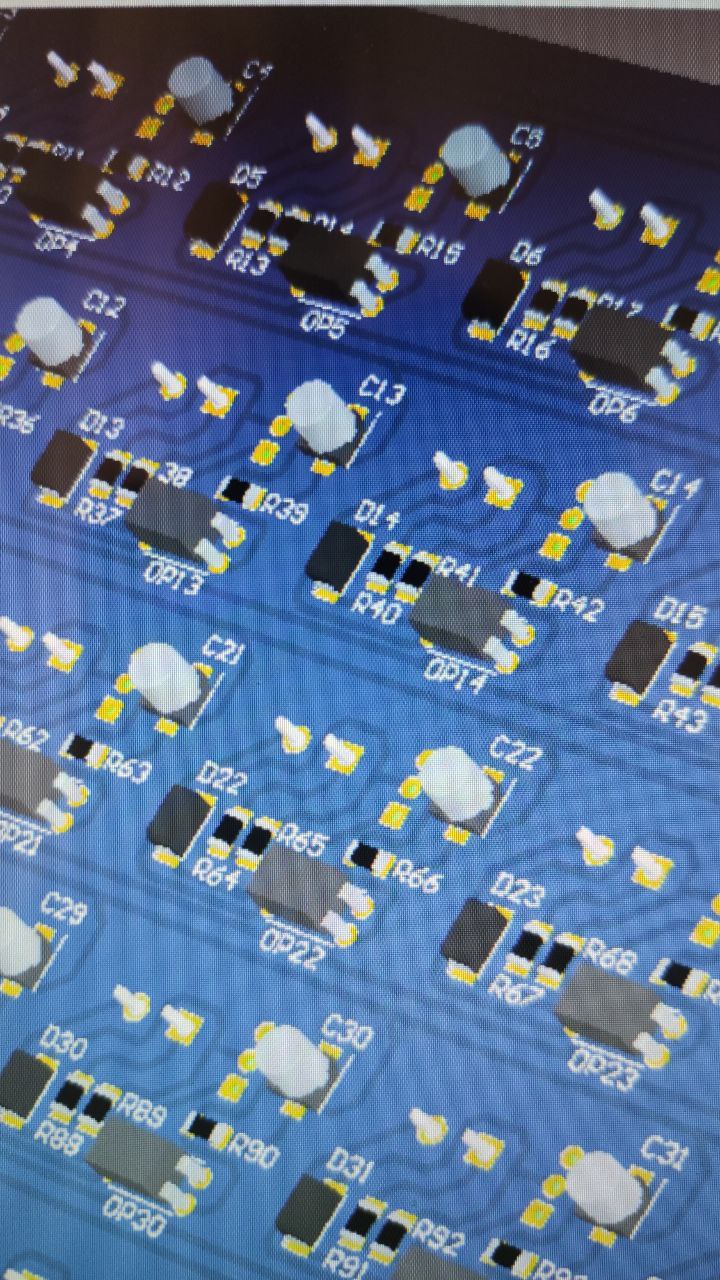
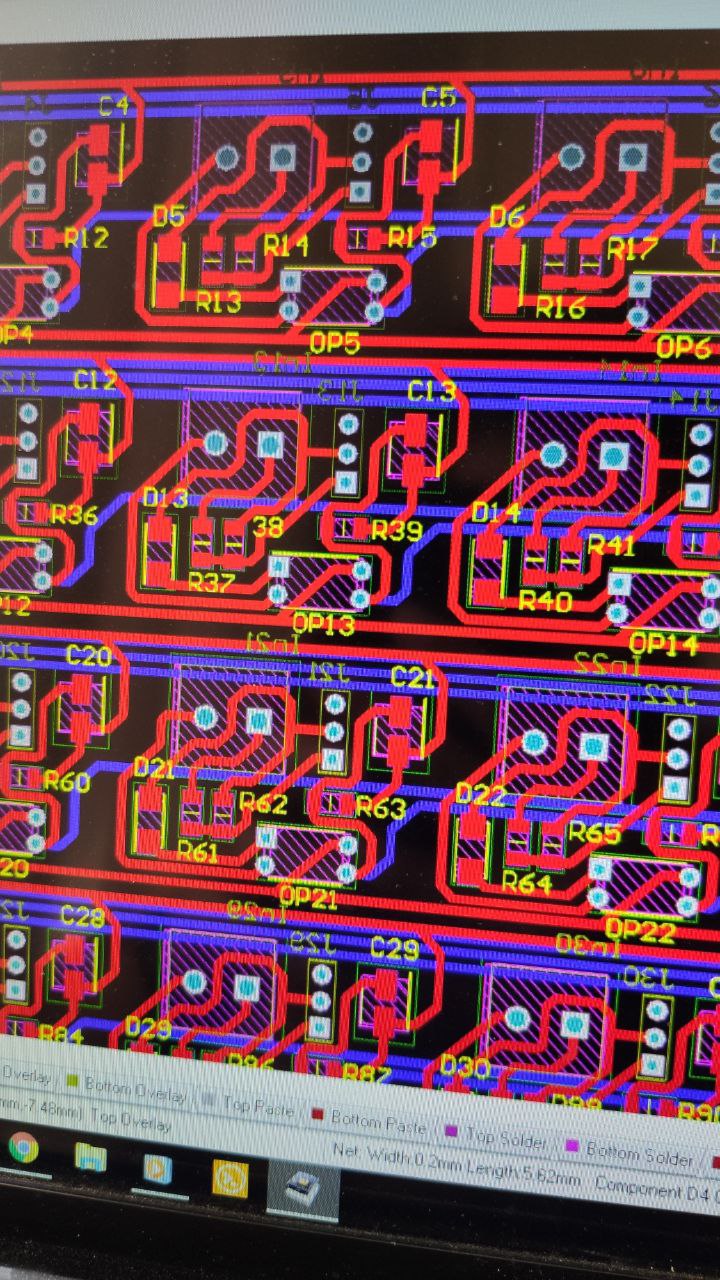
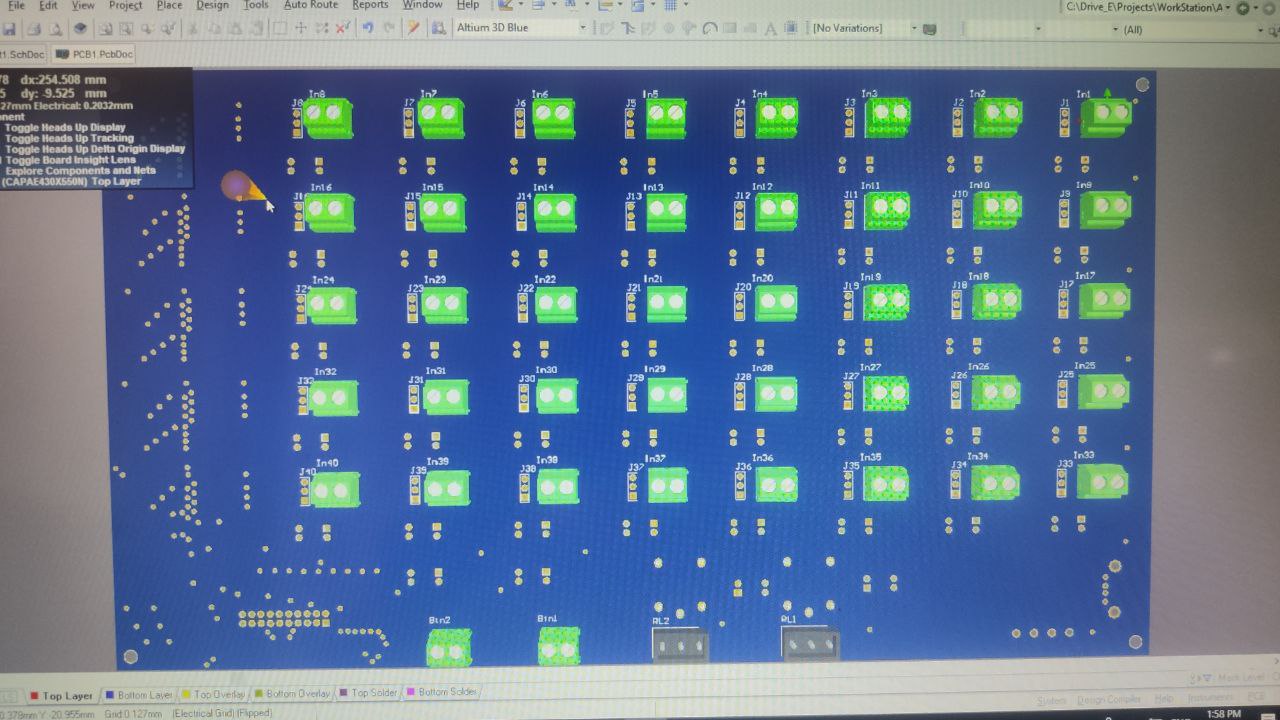
The custom board provides 40 AC/DC input channels with optocoupler isolation and buffer circuitry. Configurable jumpers adapt the input arrangement. I developed the software and system integration; Mohammad Khodadadeh designed the hardware and Hossein Aalamshahi managed the project.
Configuration and service tools
The browser interface brings together general settings, USB-device information, network status, saved events and live alarm controls. Local event lists and export functions support maintenance and review.
Software, hardware & tools.
Software
- Python application & operator interface
- Local event storage & SQL Server integration
Hardware
- Raspberry Pi
- Custom 40-channel AC/DC input board
- Optocouplers
- Buffer circuitry
- HDMI display
- Physical acknowledge/reset inputs
Technology stack
- Python
- System integration
- Industrial monitoring
Project contributions.
- Mohammad Khodadadeh
- Hardware design
- Hossein Aalamshahi
- Project management
Working on a related challenge?
Get in touch about Python, embedded systems or a research opportunity.
Fire & Smoke Vision Prototype
Computer vision