
Fire & Smoke Vision Prototype
Computer-vision experiments and a monitoring interface for detecting visual signs of fire and smoke.
Software development, vision experiments and embedded integration
My contribution
Software development, vision experiments and embedded integration
My work covered software development, computer-vision experiments and embedded integration, including monitoring components for camera status, events and alarms.
Delivered scope
A prototype workspace connecting vision experiments, embedded-camera integration and an operator-facing monitoring application.
What stands out.
- Vision & neural-network prototype
- Hardware I/O, GSM & operator alerts
- Embedded device, web & desktop interfaces
From the problem to the implementation.
The problem
Camera-based monitoring needs to connect visual detection experiments with a clear interface for status, events and alarms.
The approach
- Explored OpenCV image-processing methods and TensorFlow/Keras models.
- Worked with image annotations and dataset-preparation tooling.
- Developed monitoring components for camera status, event handling and alarms.
Result & scope
A prototype workspace connecting vision experiments, embedded-camera integration and an operator-facing monitoring application.
Implementation choices and demonstrated scope.
Engineering decisions
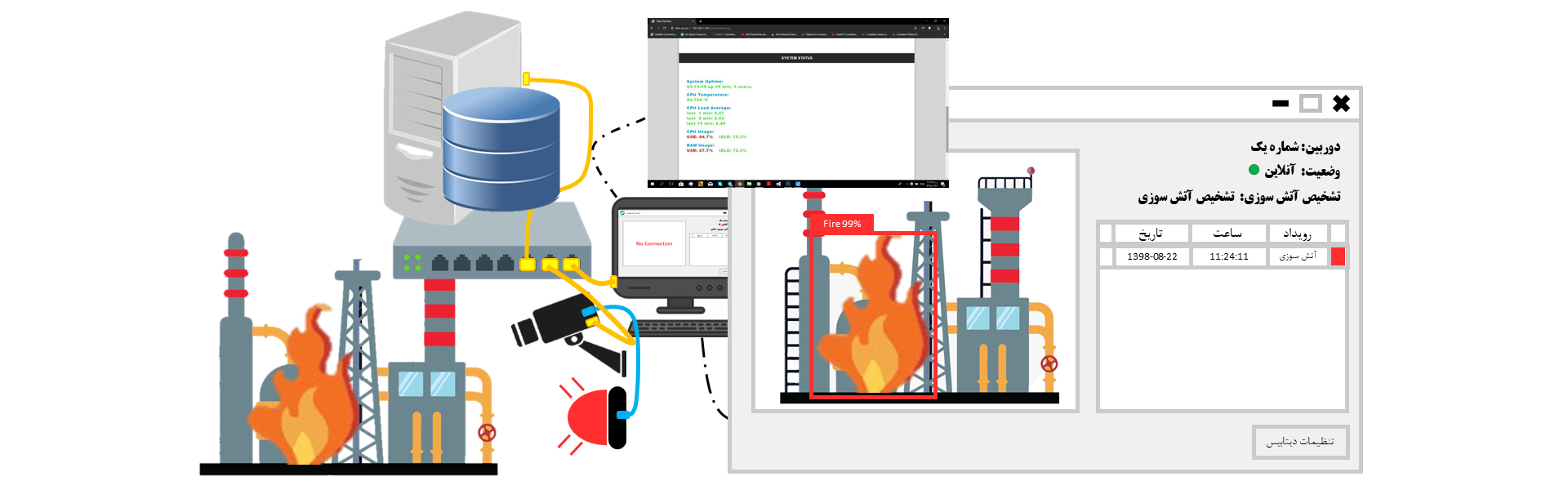
The prototype separates C++/OpenCV candidate-region processing from a neural-network stage, then connects device events to hardware outputs, GSM/SMS and local-network monitoring. A Windows/PyQt application and an HTTP panel expose imagery, status and settings.
Validation & evidence
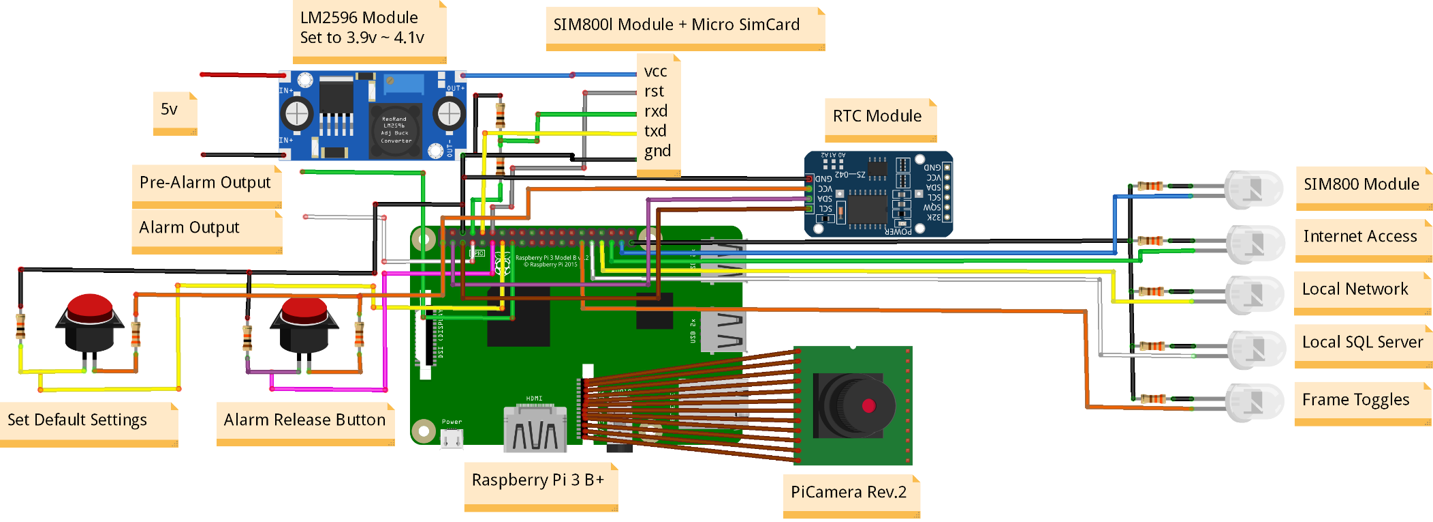
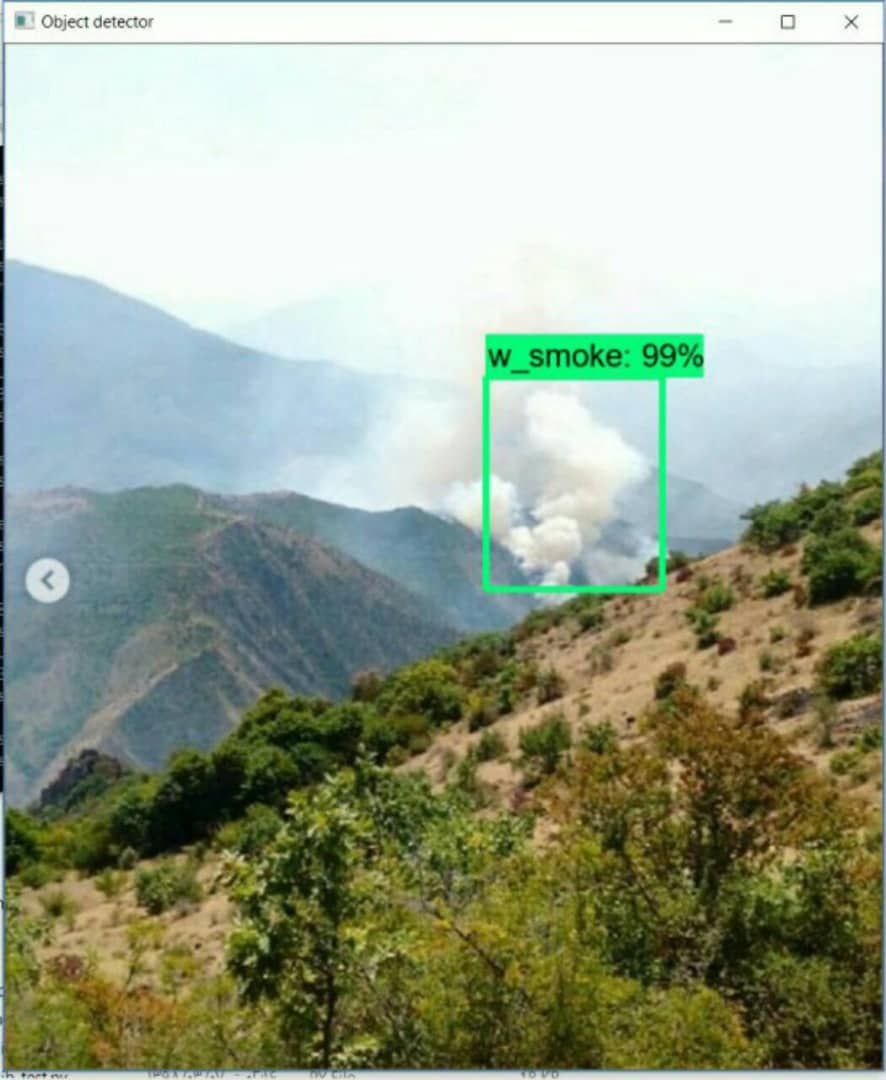
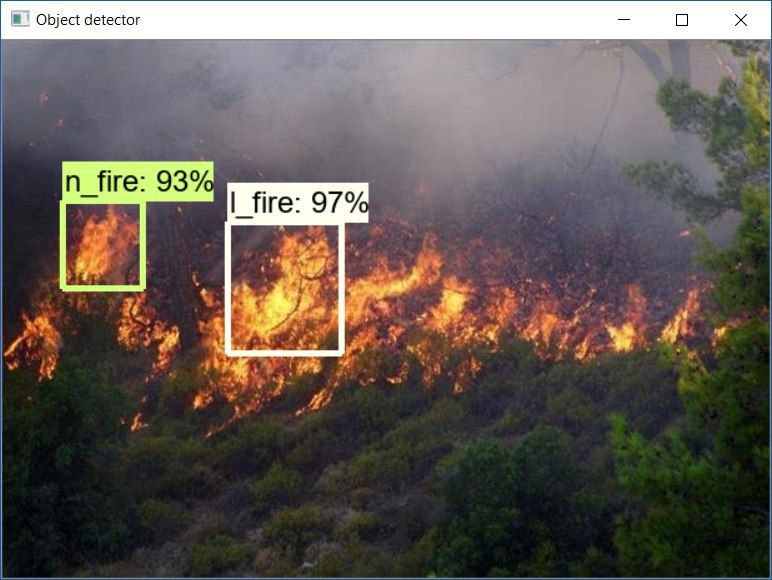
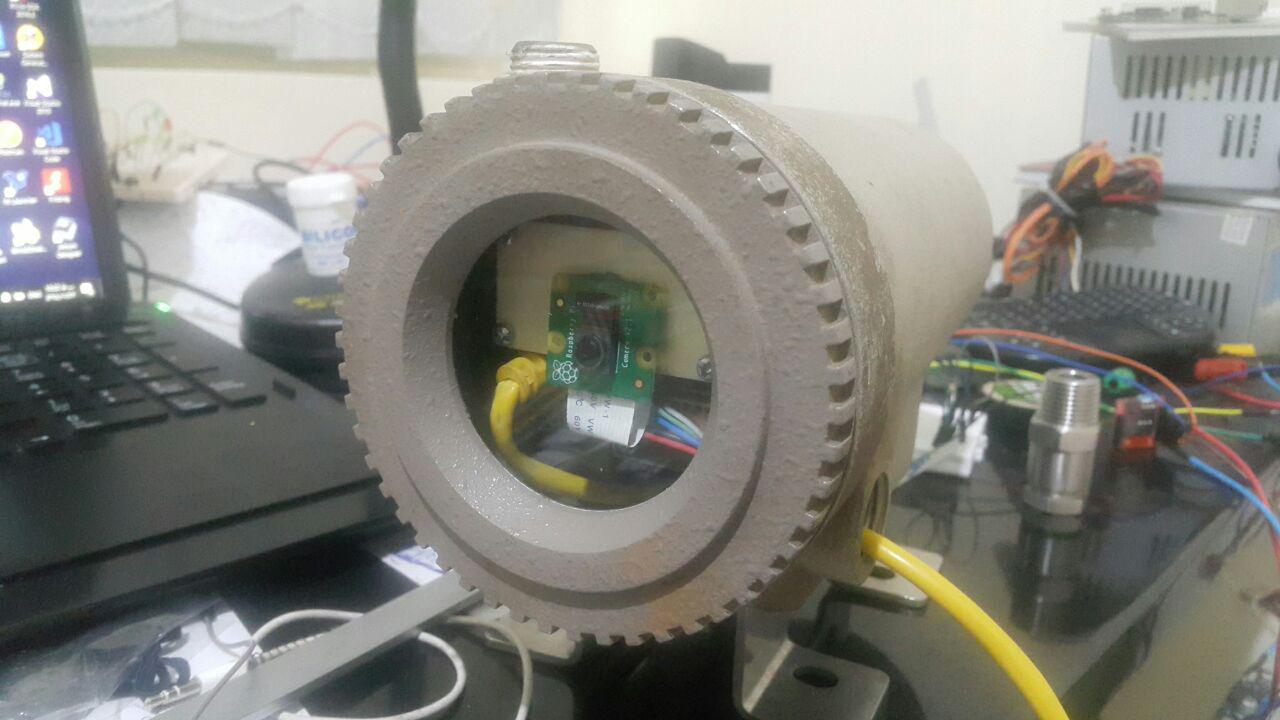
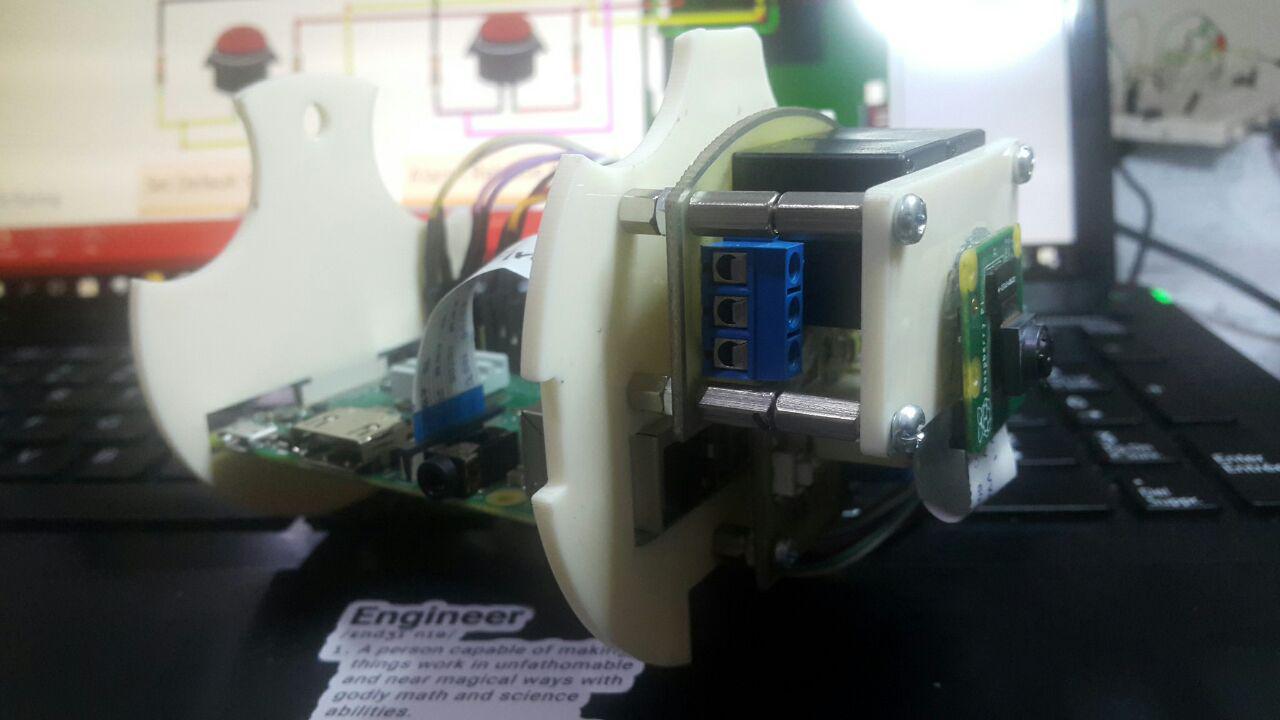
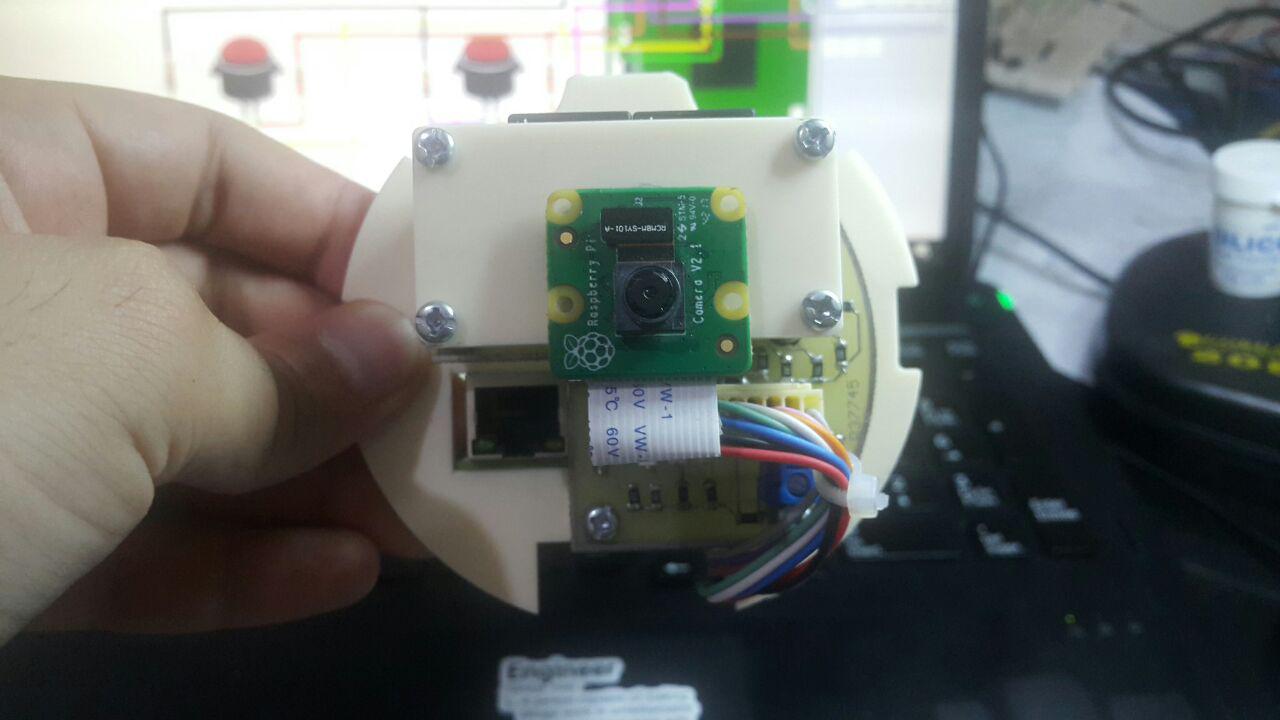
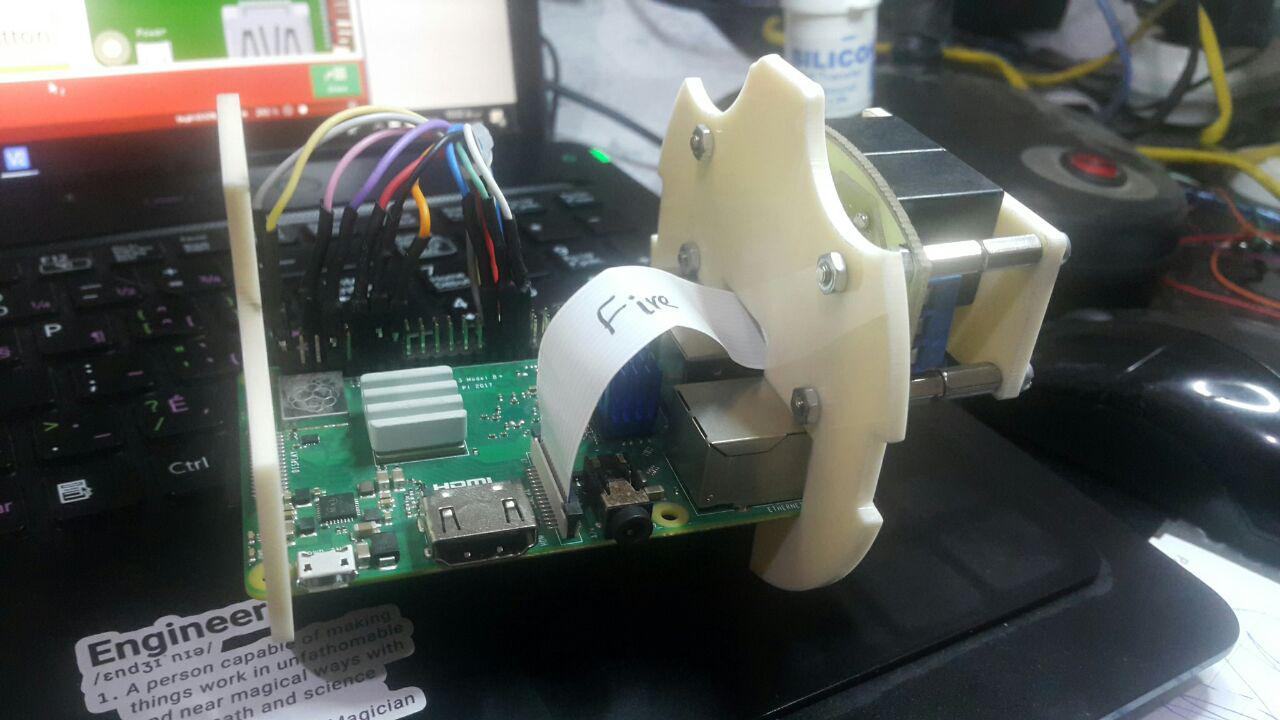
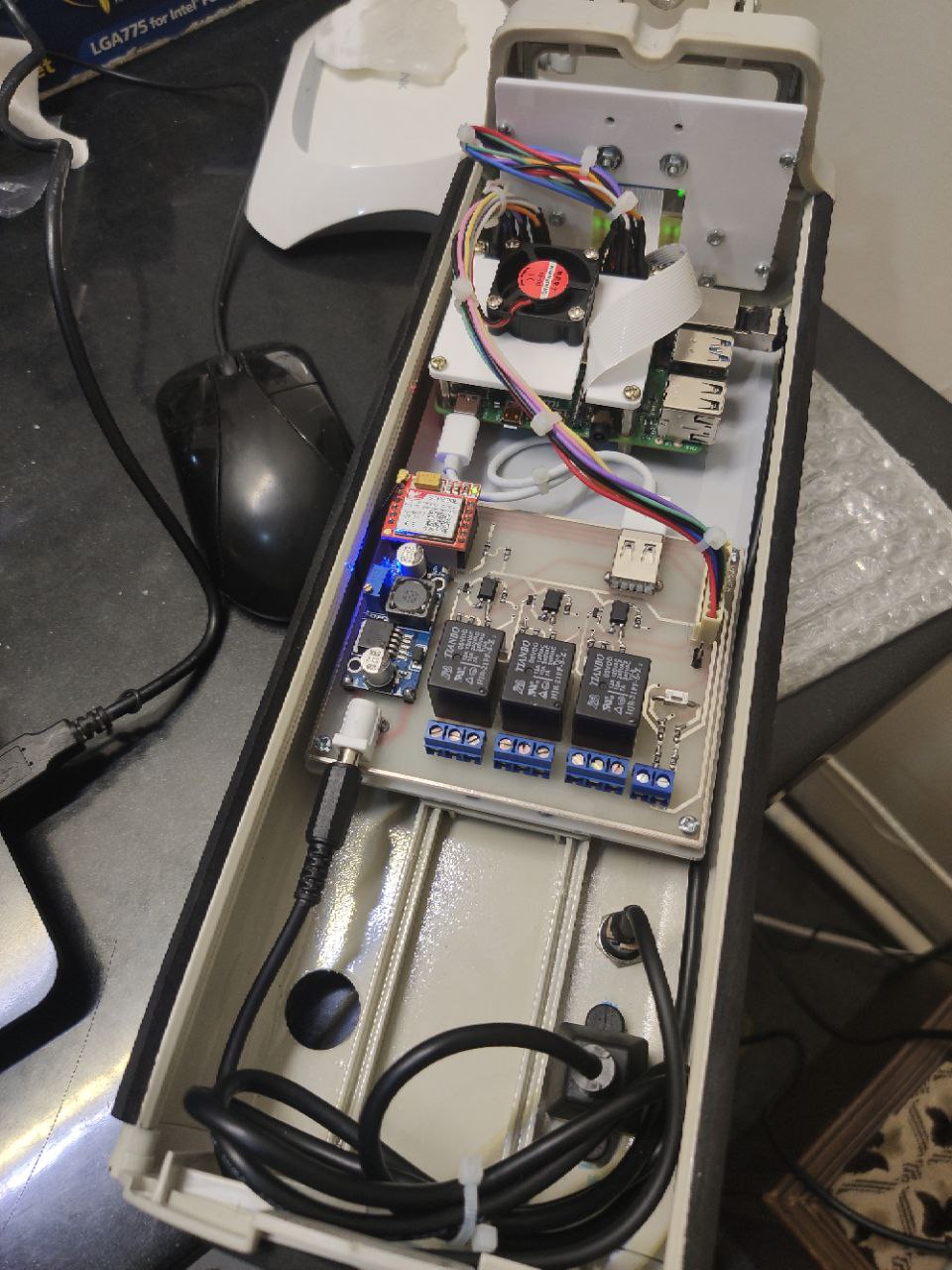
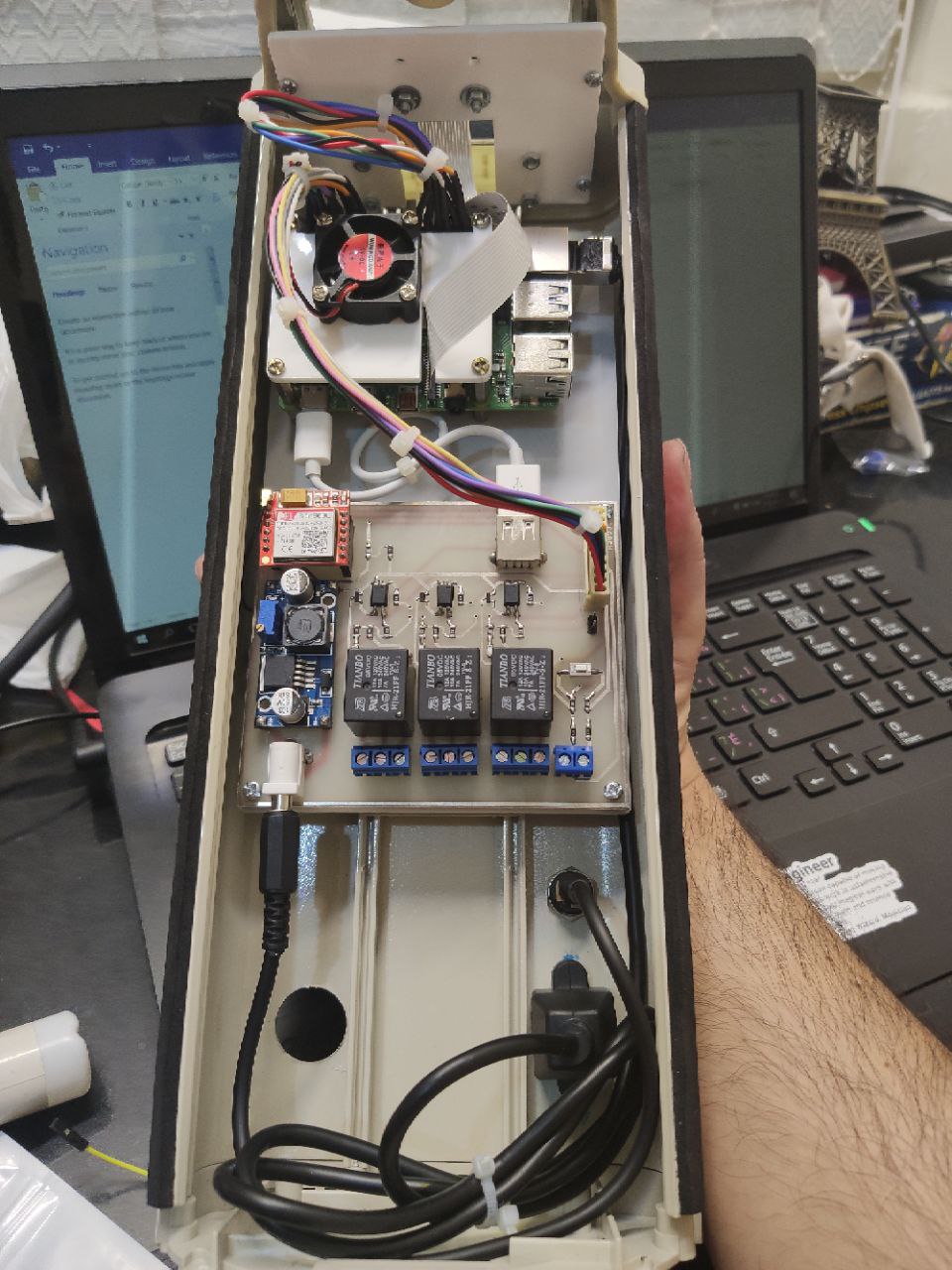
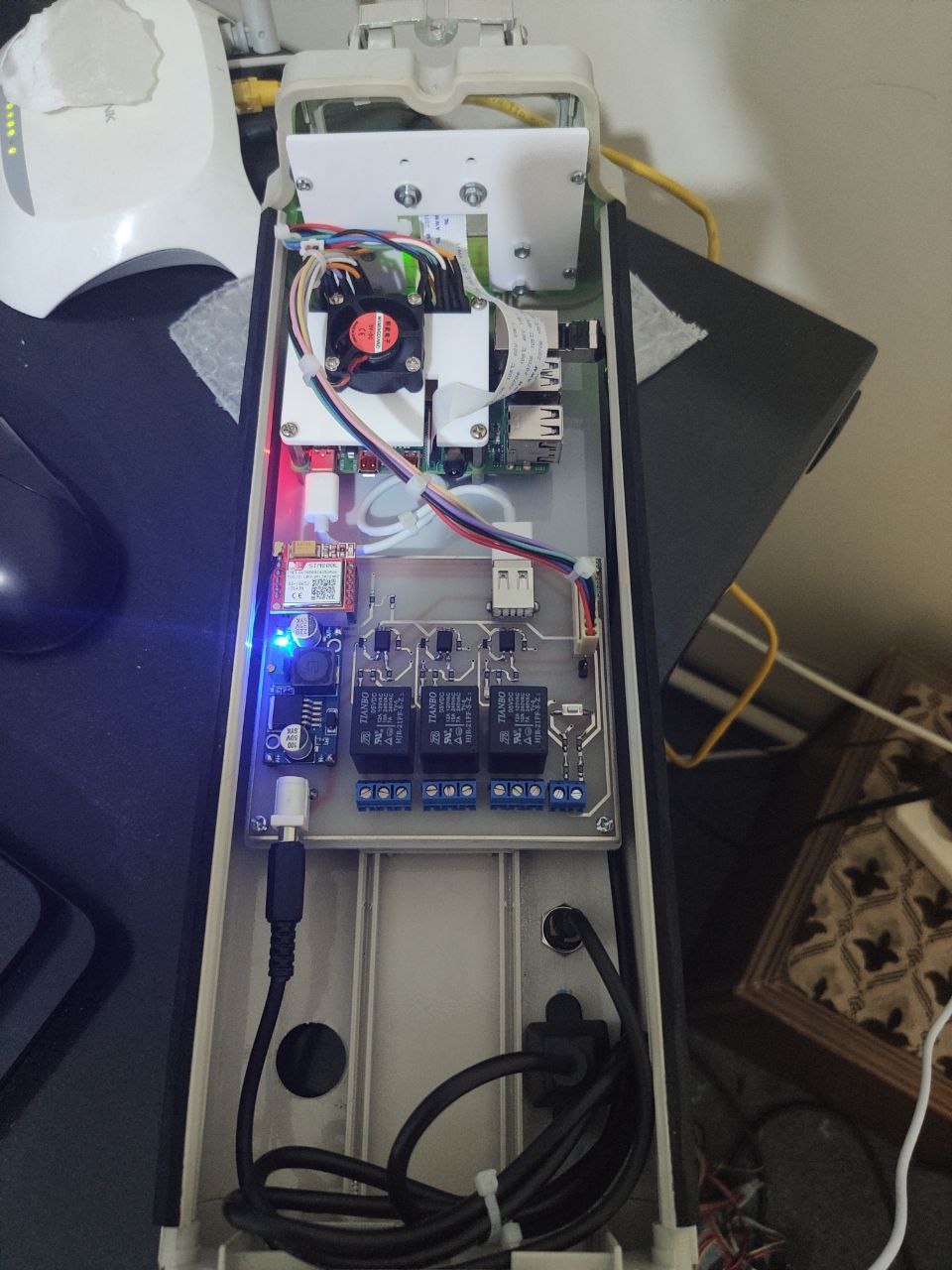
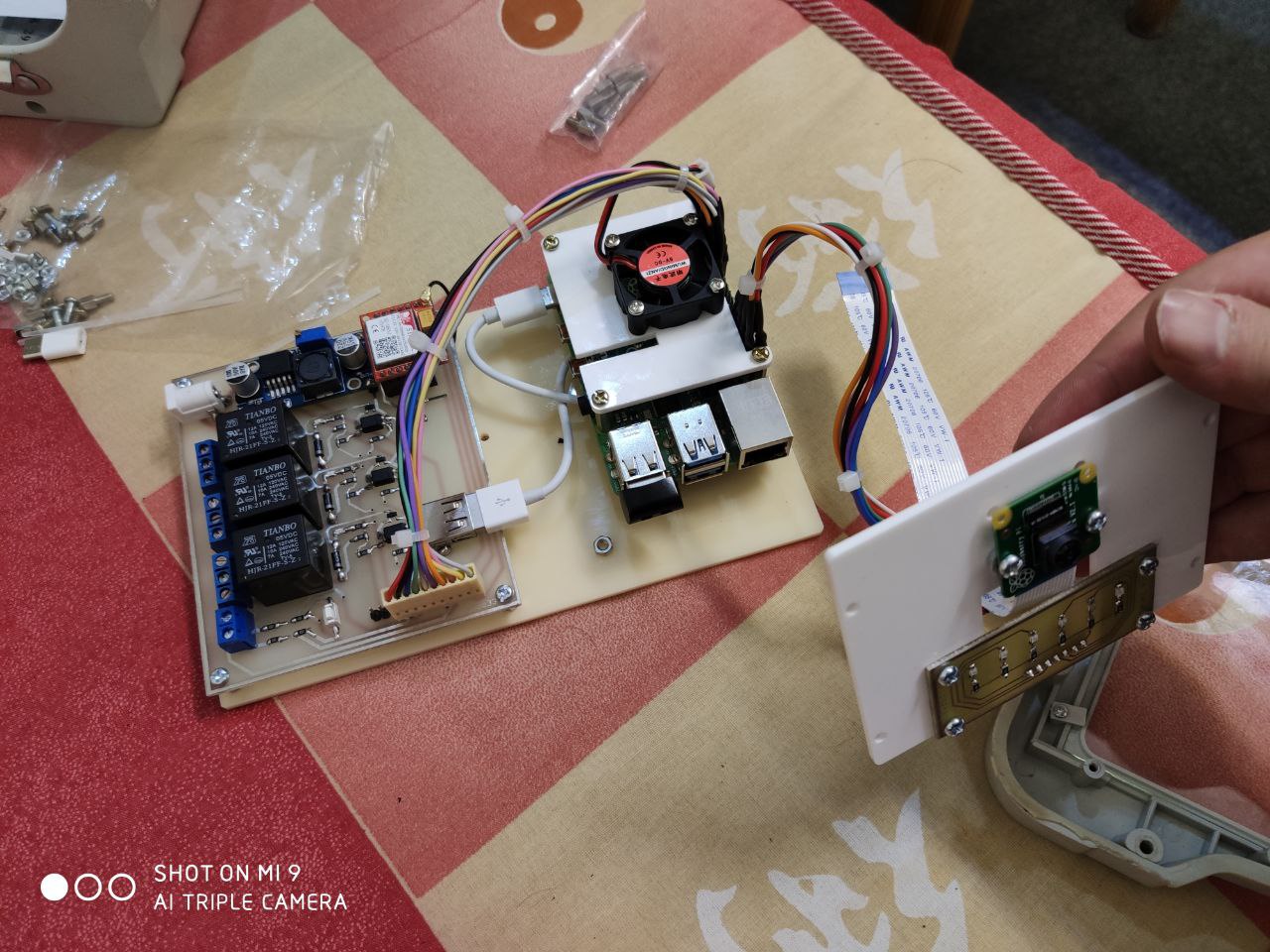
The archive contains physical OpenCV fire-test recordings, an indoor detection test, a simulated detection workflow, a schematic, prototype photographs and monitoring-interface views. These document prototype behaviour and integration; no detection-accuracy study, false-alarm measurement or safety certification is supplied.
Explore 40 project images and 4 archival recordings, with captions identifying the hardware, interface or prototype shown.
Inside the project
40 images
 Enlarge image
 Enlarge image
 Enlarge image
 Enlarge image
 Enlarge image
 Enlarge image
 Enlarge image
 Enlarge image
 Enlarge image
 Enlarge image
 Enlarge image
 Enlarge image
 Enlarge image
 Enlarge image
 Enlarge image
 Enlarge image
 Enlarge image
 Enlarge image
 Enlarge image
 Enlarge image
 Enlarge image
 Enlarge image
 Enlarge image
 Enlarge image
 Enlarge image
 Enlarge image
 Enlarge image
 Enlarge imageEnlarge image
 Enlarge image
 Enlarge image
 Enlarge image
 Enlarge image
 Enlarge image
 Enlarge image
 Enlarge image
 Enlarge image
 Enlarge image
 Enlarge image
 Enlarge image
See it in action
OpenCV fire test · 02
Second OpenCV fire-test recording. Silent demonstration.
Open videoOpenCV fire test · 01
Physical fire-test recording — OpenCV stage. Silent demonstration.
Open videoSimulated detection workflow
Simulated demonstration — fire-detection workflow. Silent demonstration.
Open videoIndoor detection test
Indoor fire-detection test recording. Silent demonstration.
Open videoHow the system works
Select a block to explore its role.
A guided illustration of the system components.
Camera input
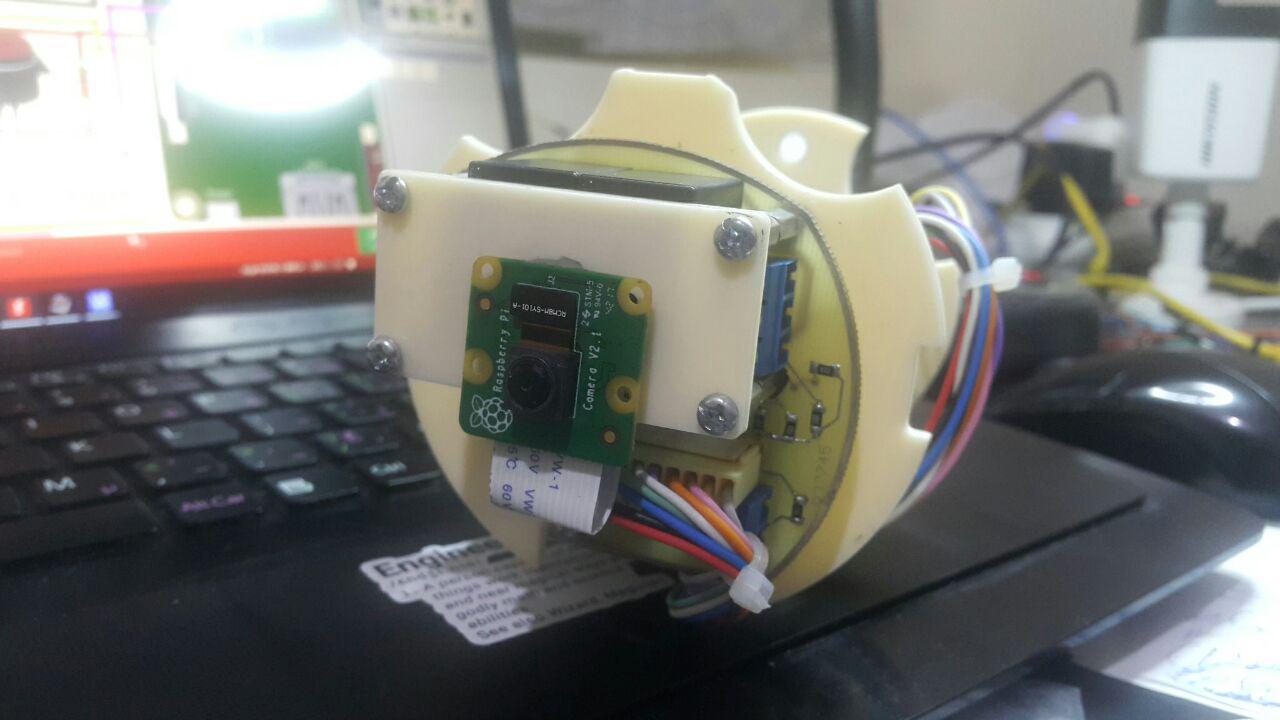
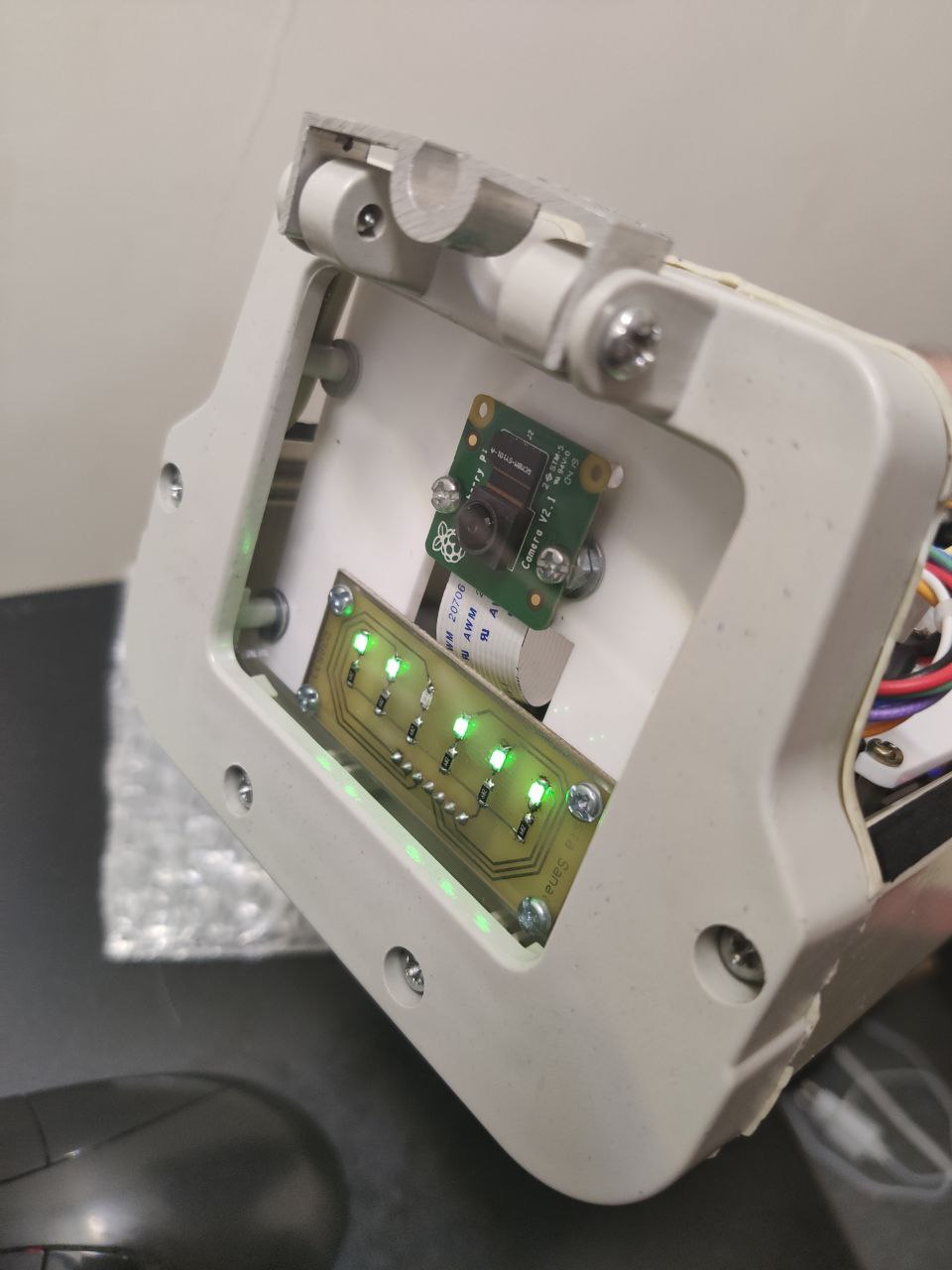
Pi Camera supplies imagery close to the embedded processing unit.
Candidate regions
C++/OpenCV methods identify image regions that may contain fire or smoke.
Second-stage analysis
A neural-network stage evaluates candidate imagery.
Device event logic
Python coordinates status and alarm-related events.
Alert channels
Hardware I/O, SMS/GSM and local-network interfaces expose events.
Operator tools
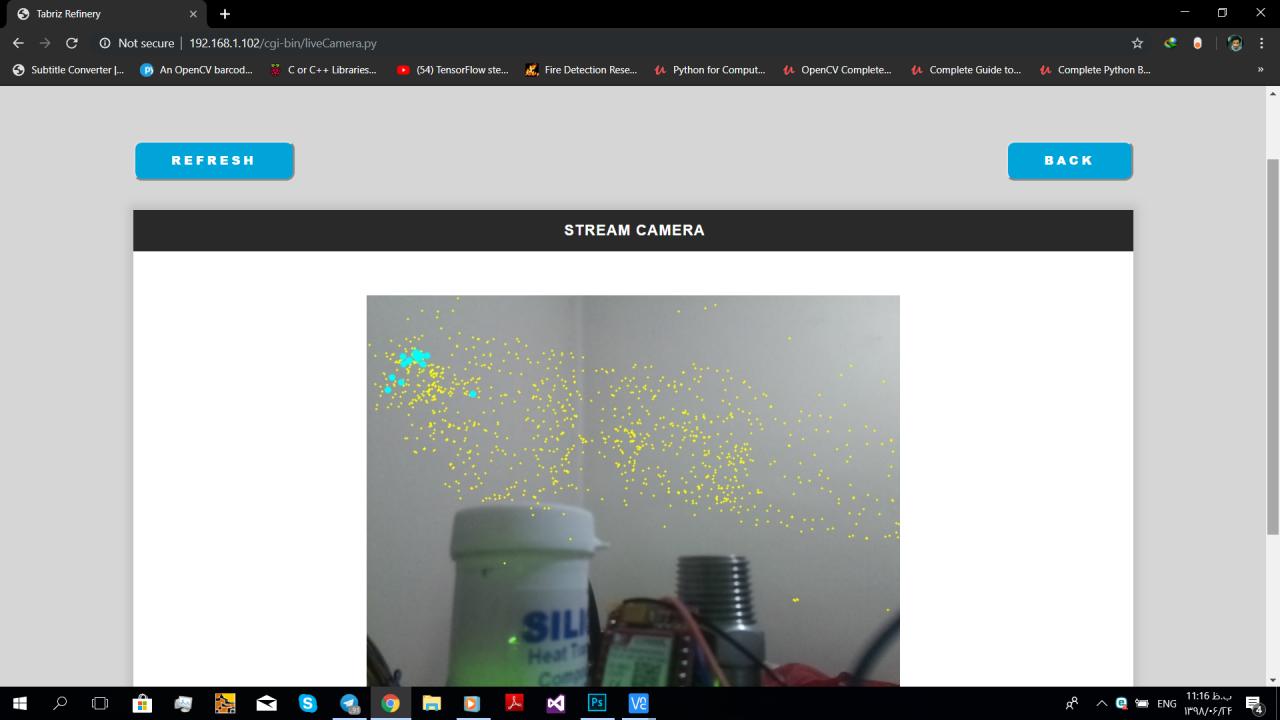
Windows/PyQt monitoring and the HTTP panel provide live imagery, status and settings.
The detail behind the build
A two-stage vision pipeline
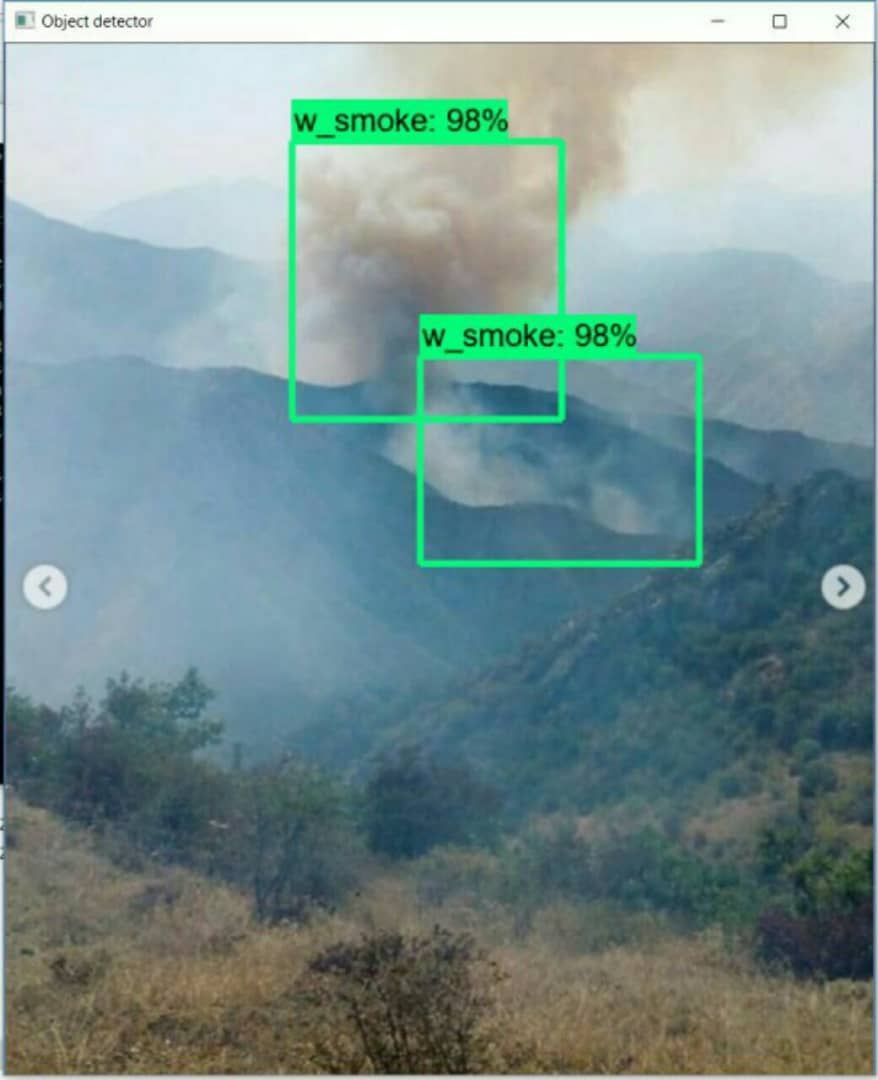
C++ and OpenCV identify image regions that may contain fire or smoke. A neural-network stage then examines candidate imagery. The prototype brings these detection stages together with an embedded device and an operator interface.
Processing close to the camera
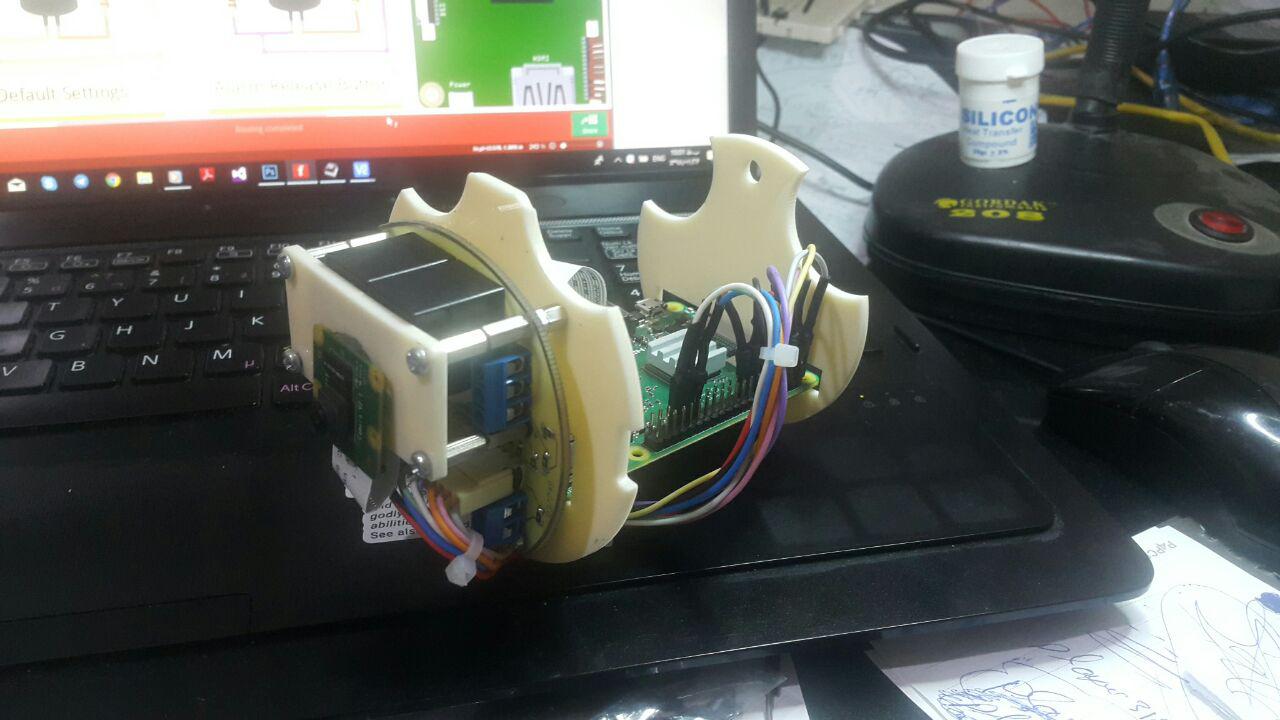
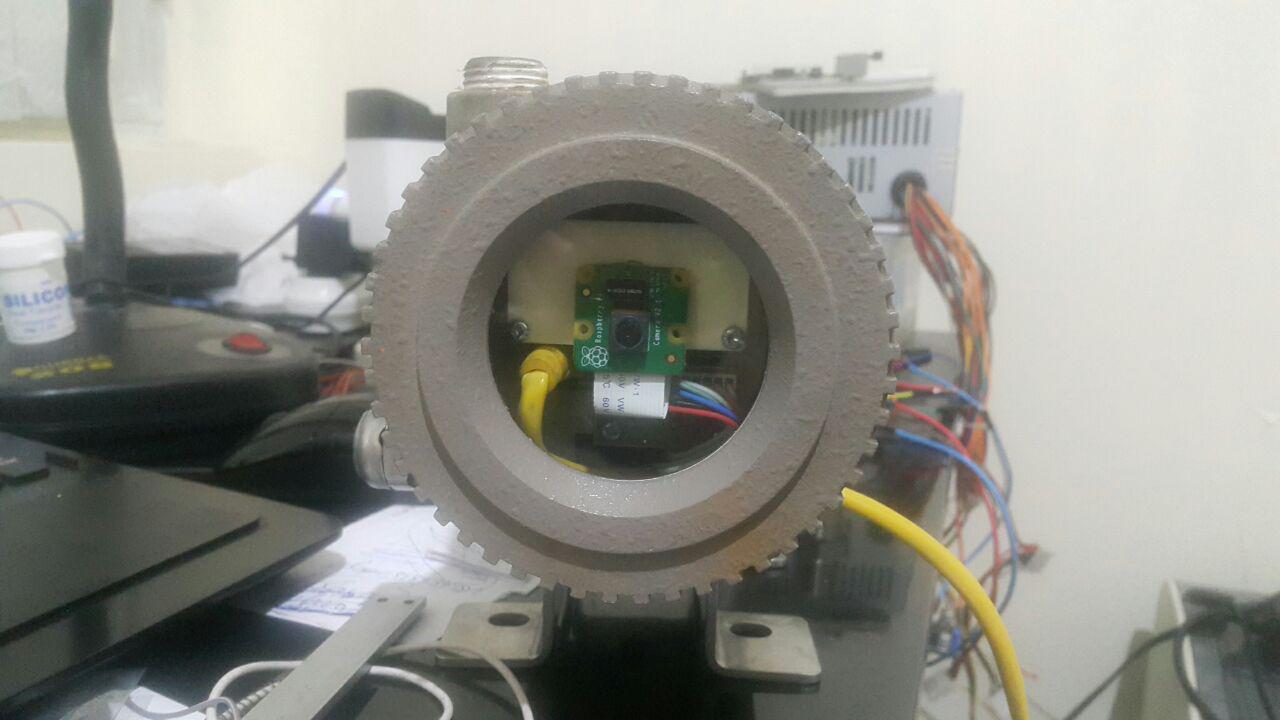
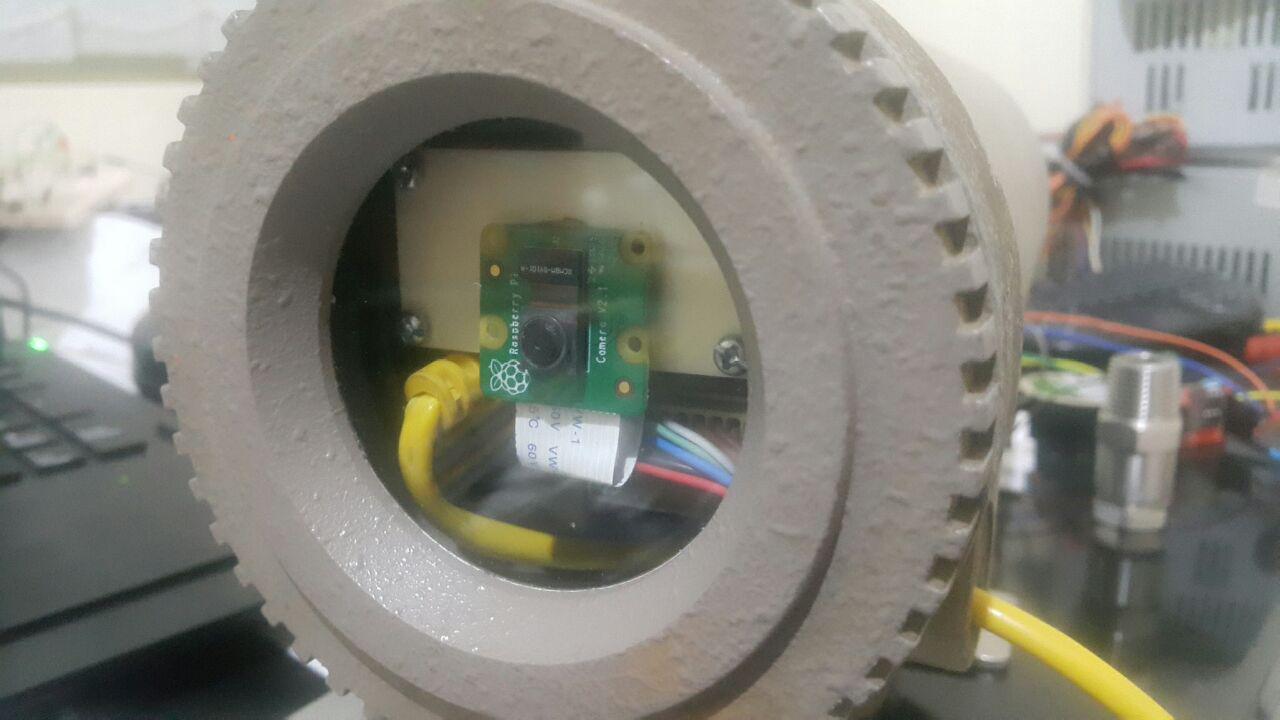
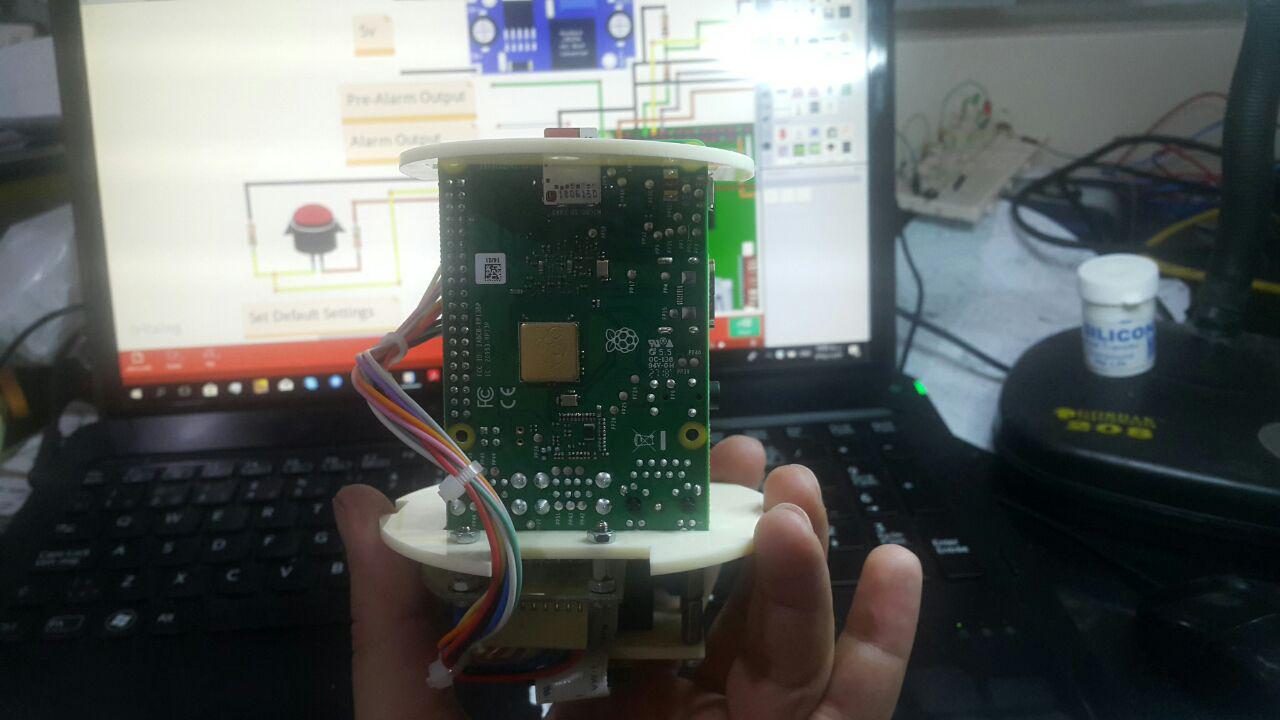
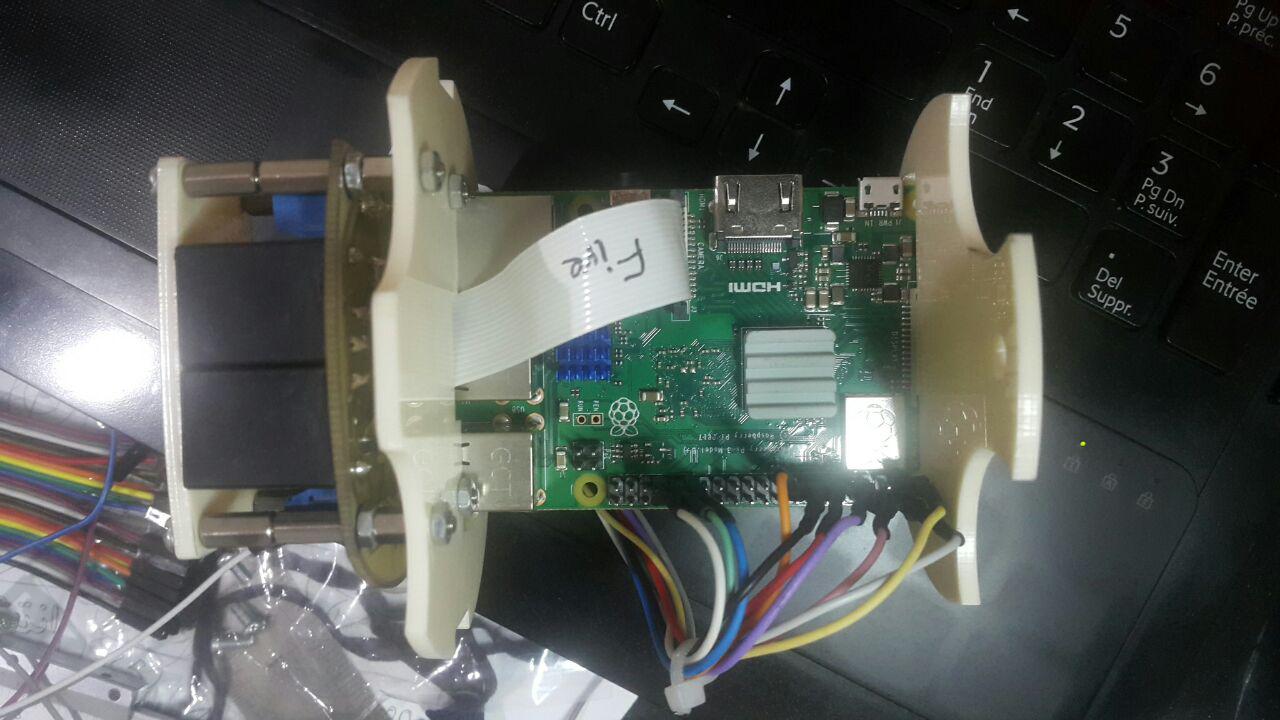
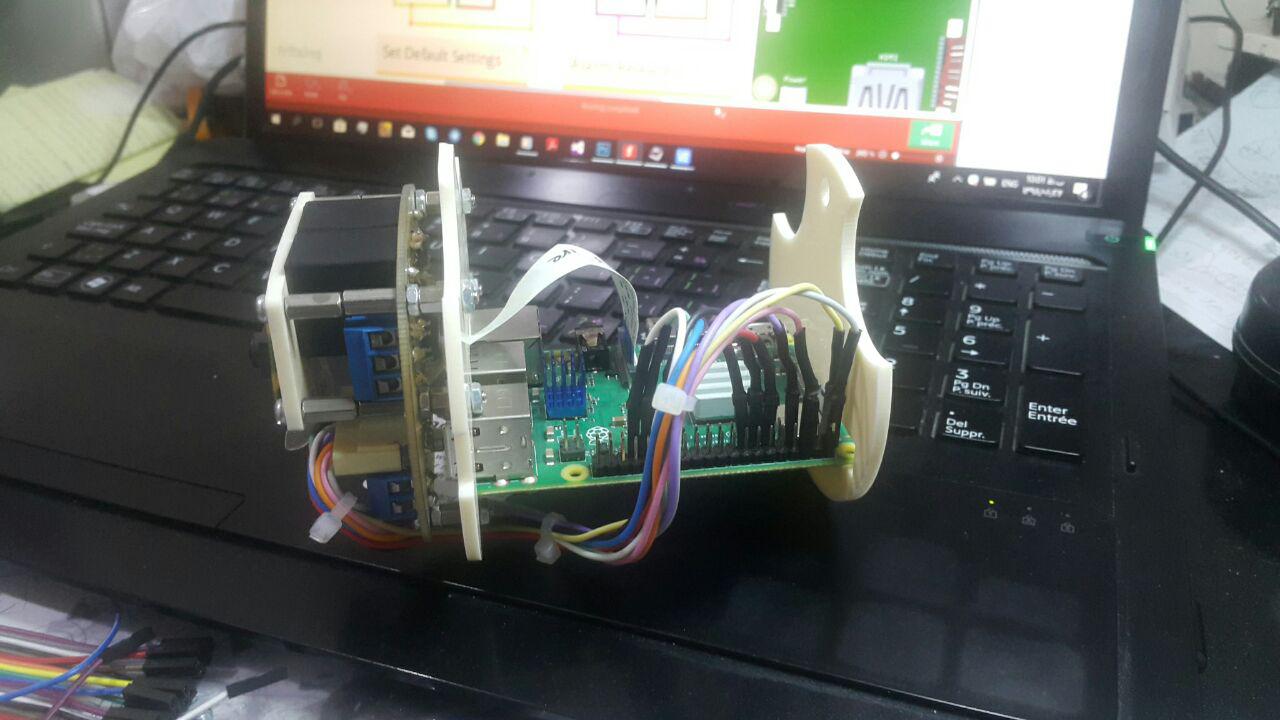
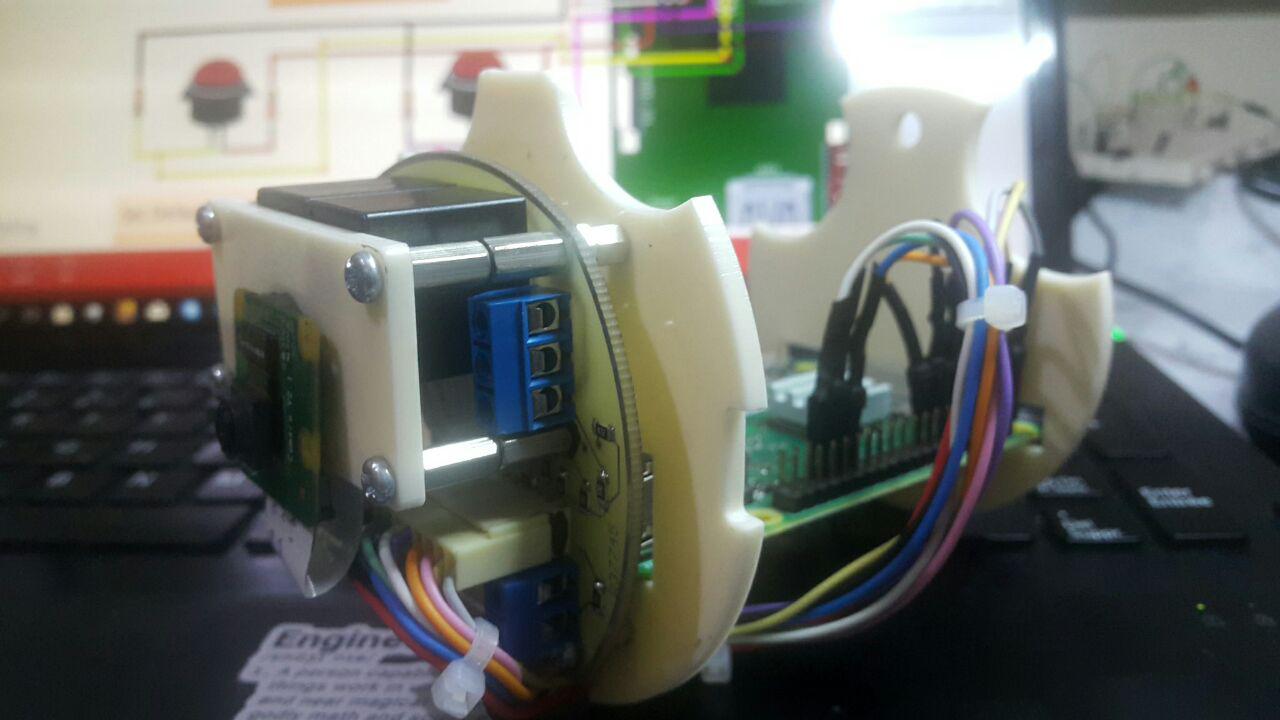
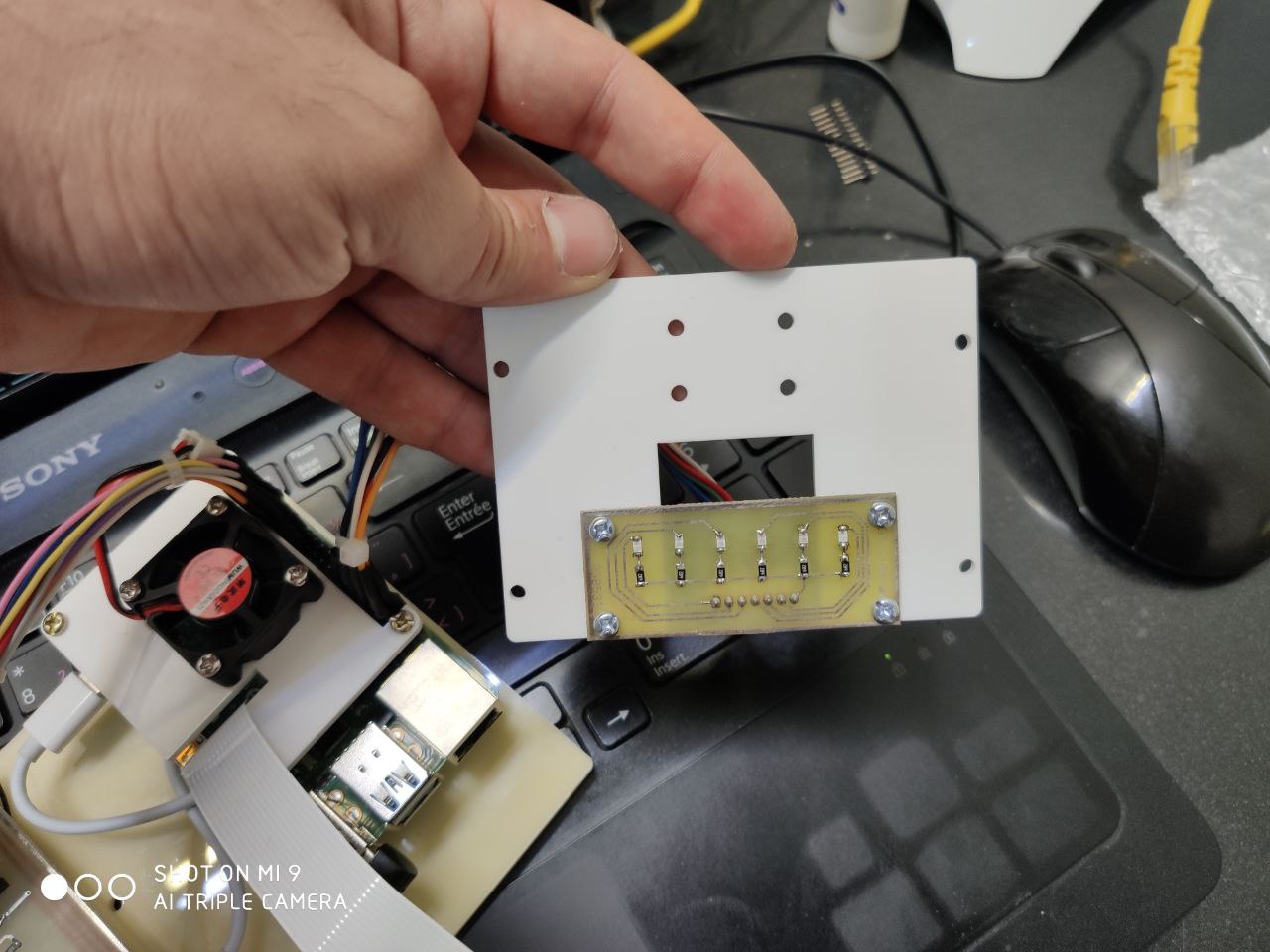
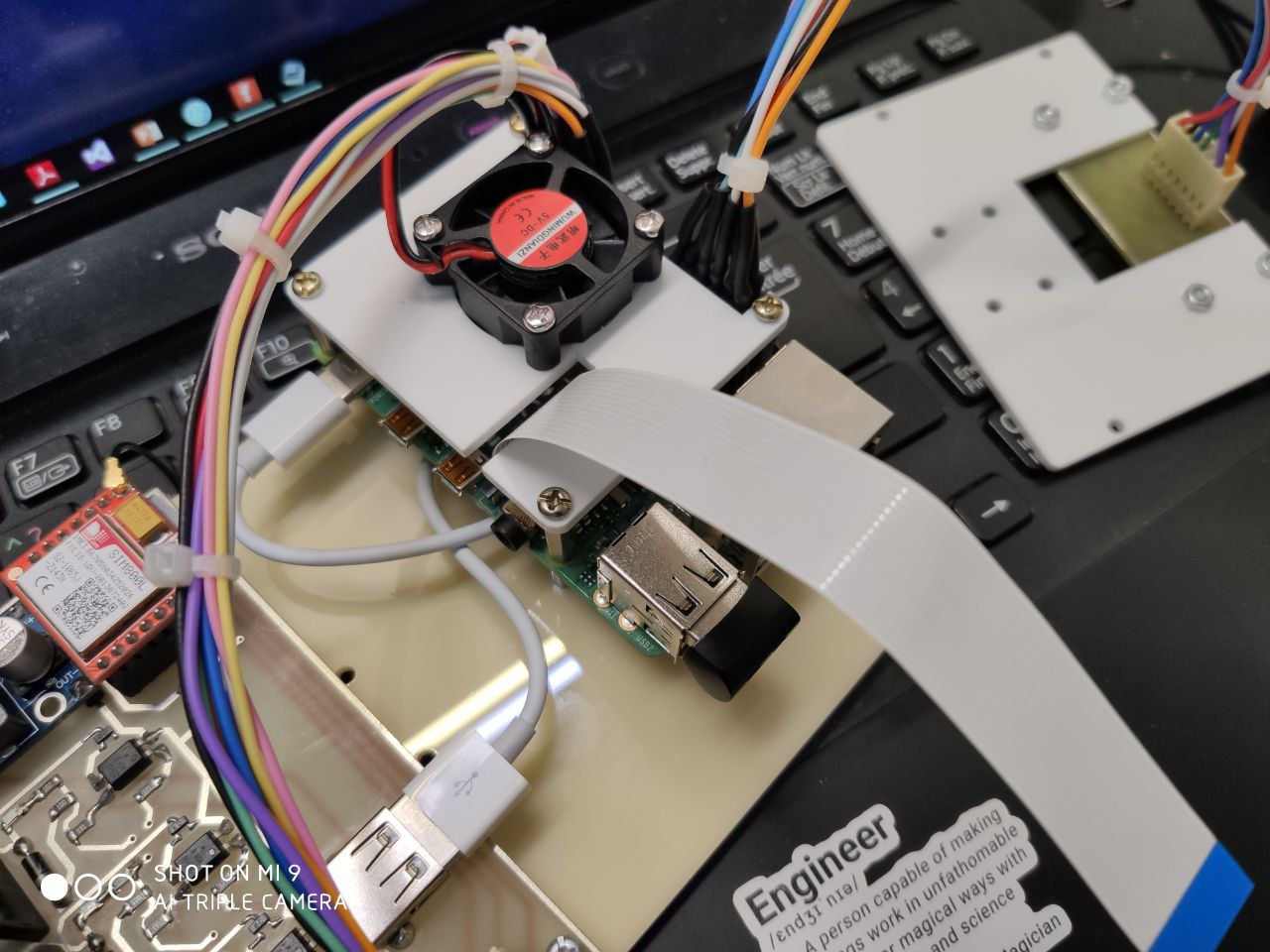
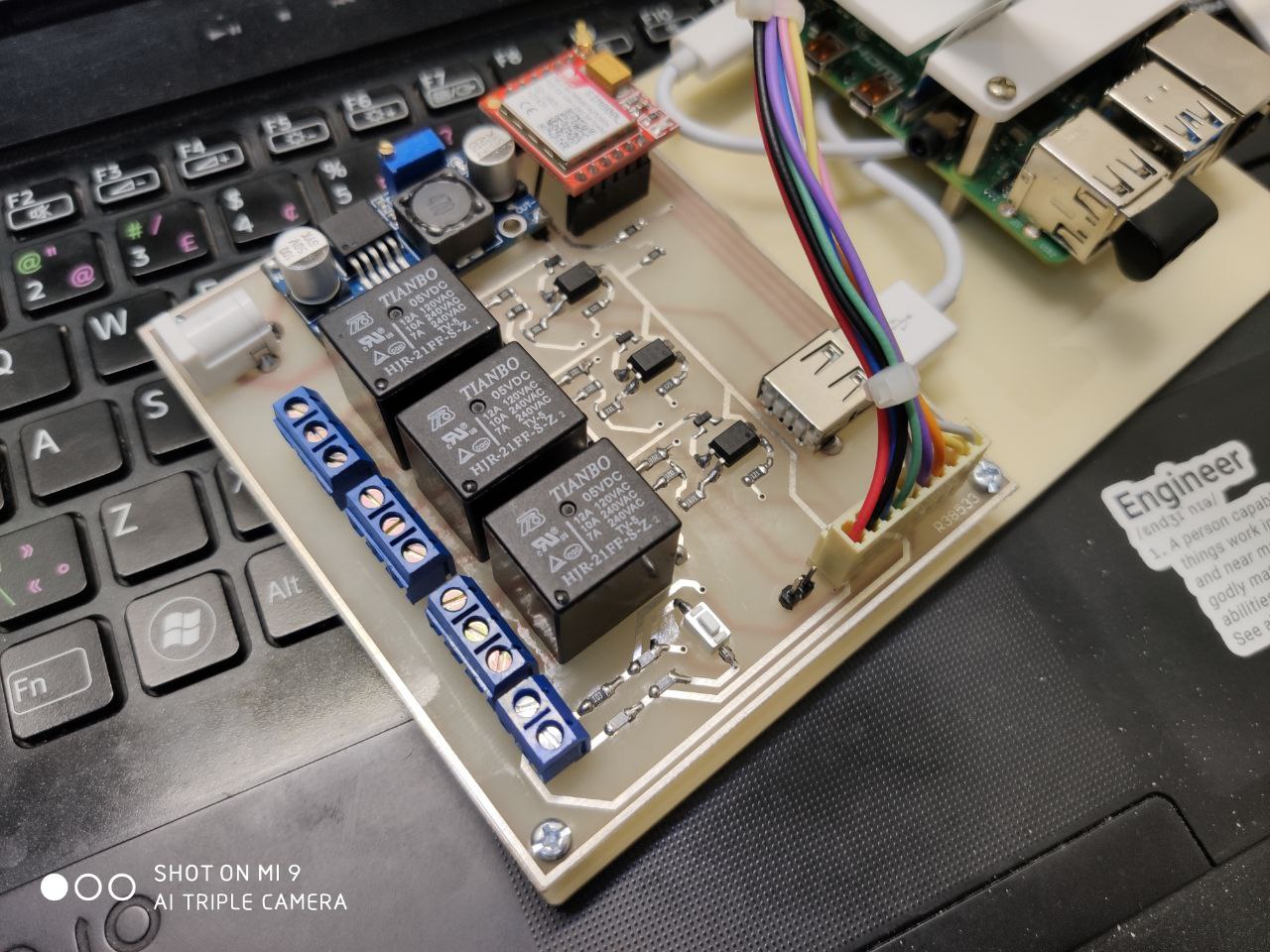
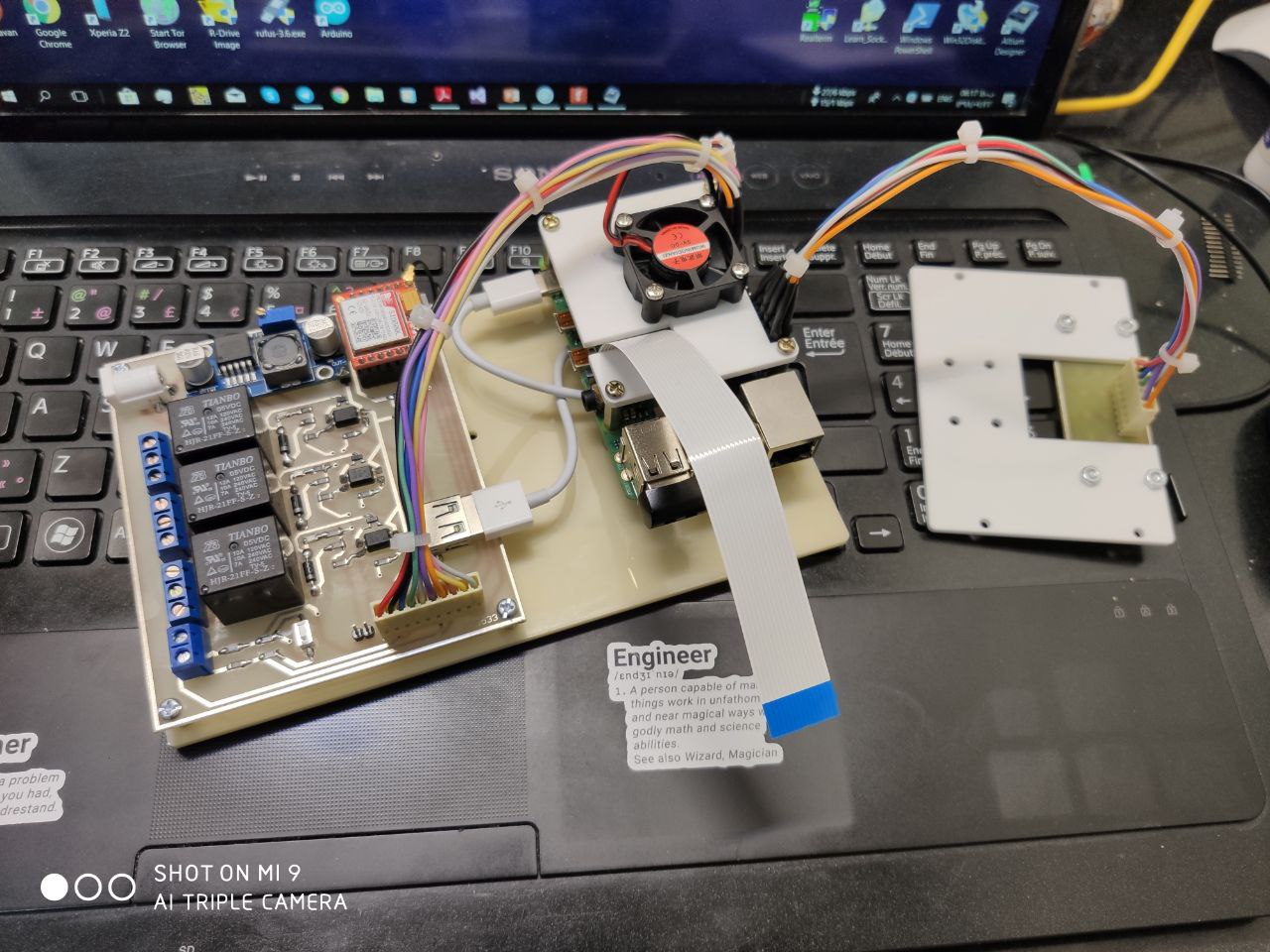
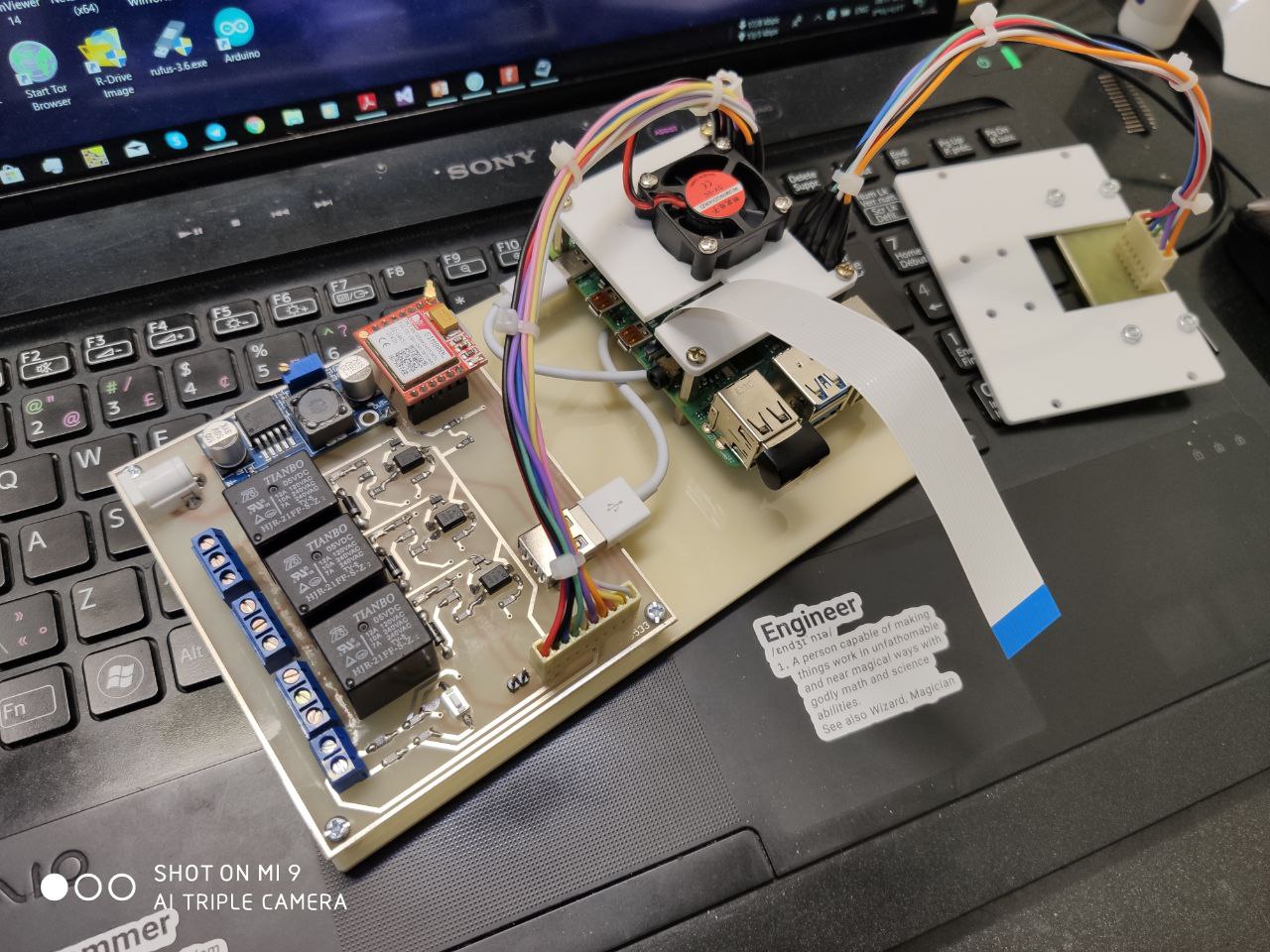
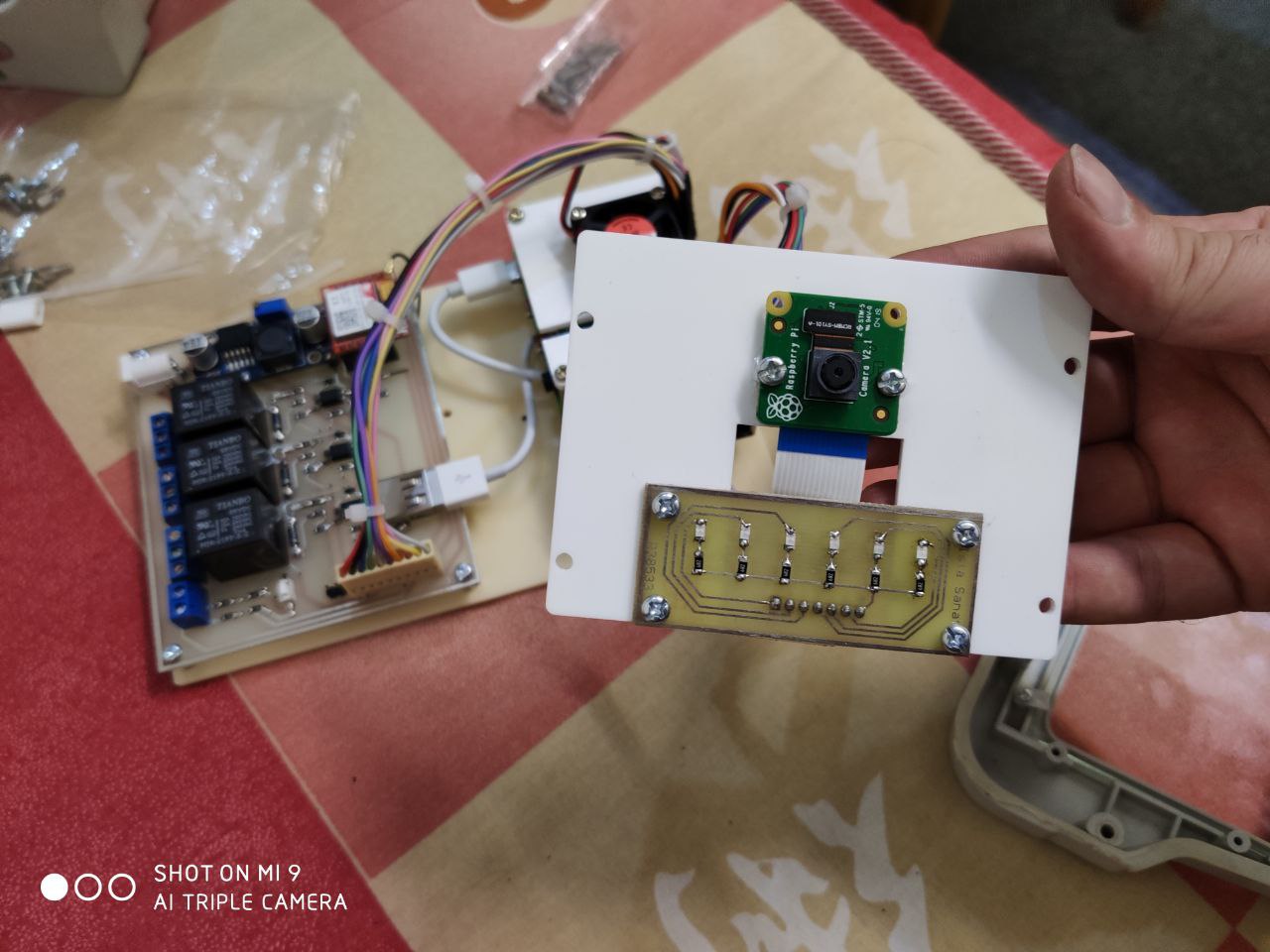
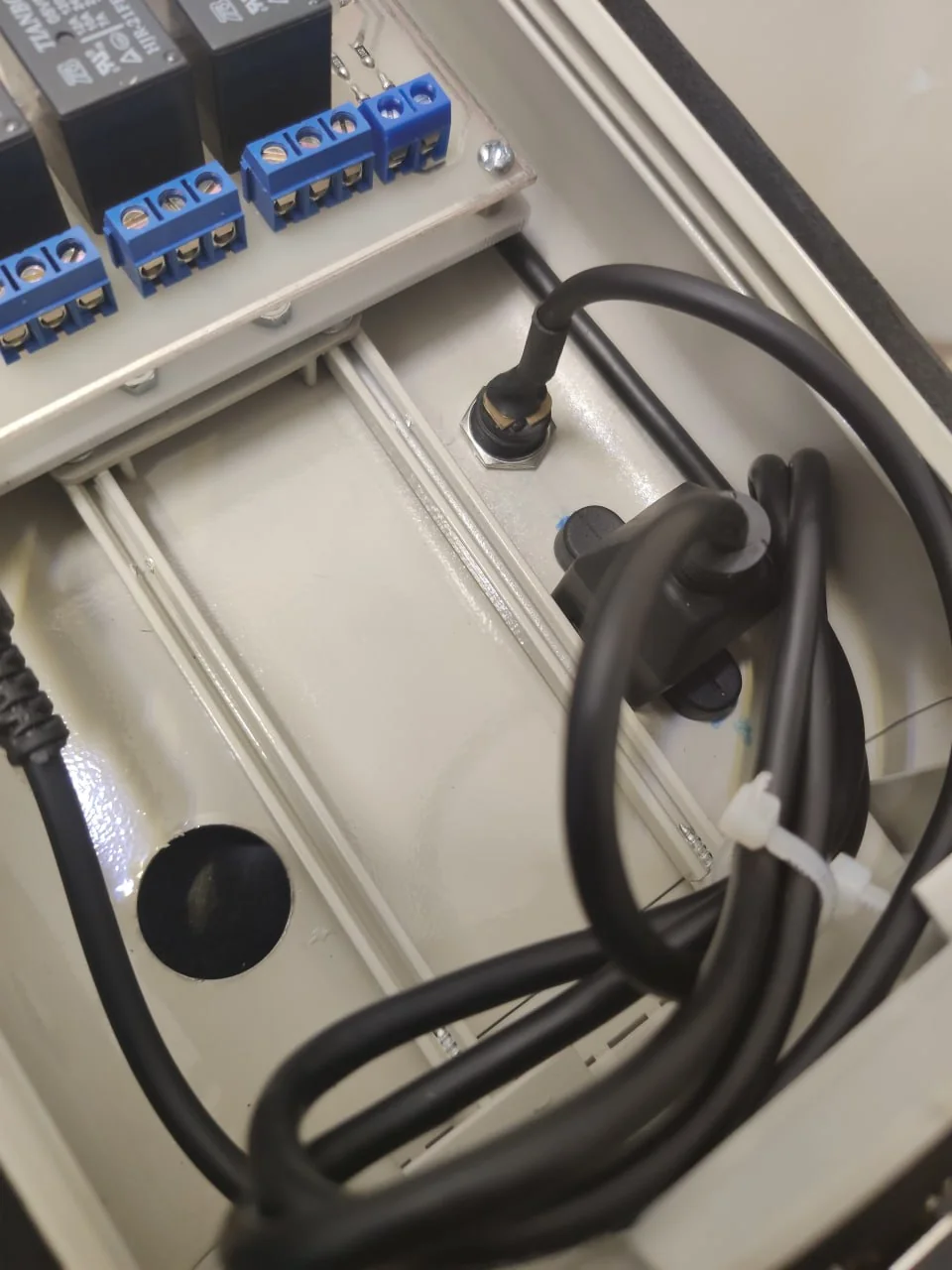
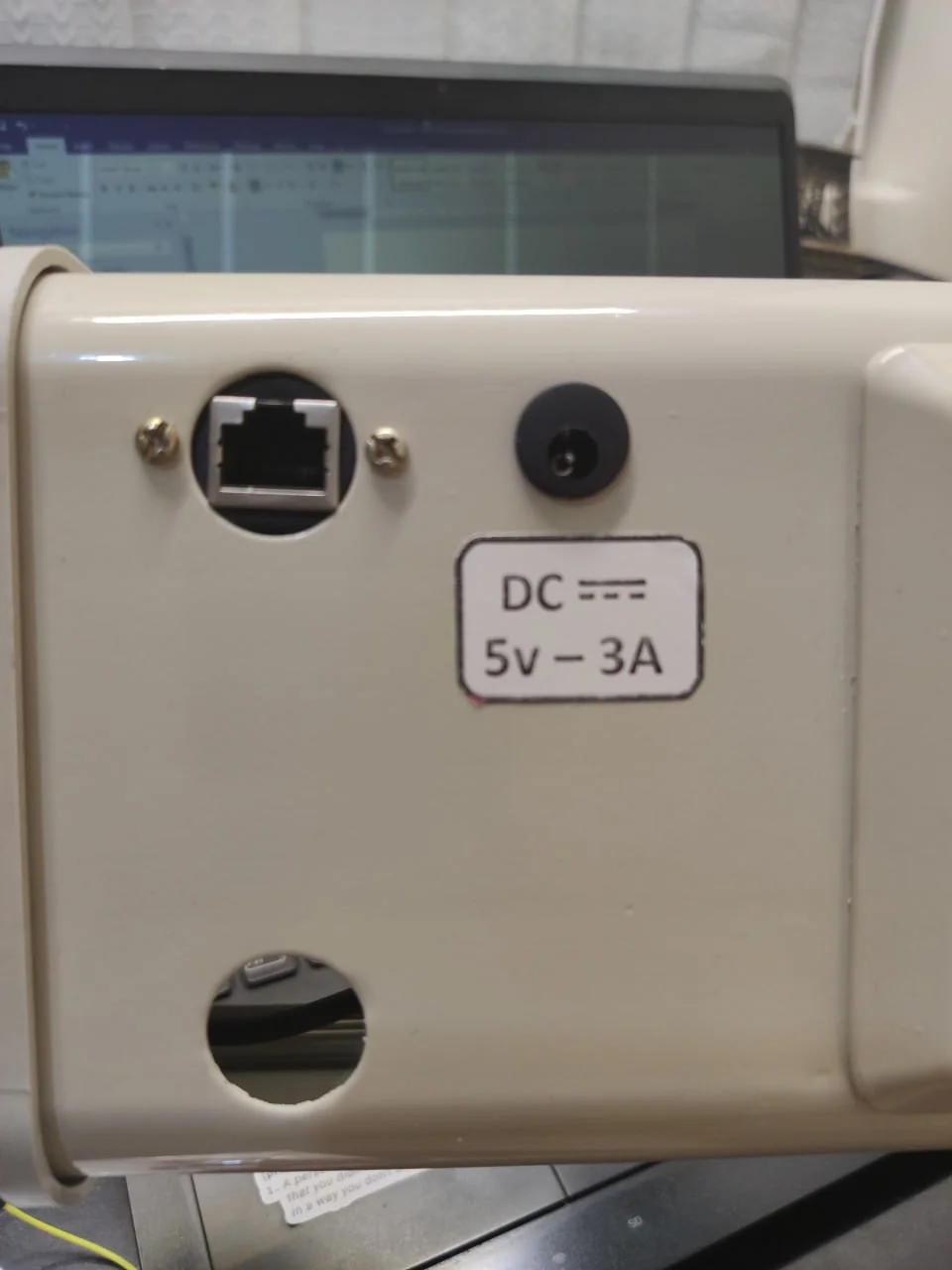
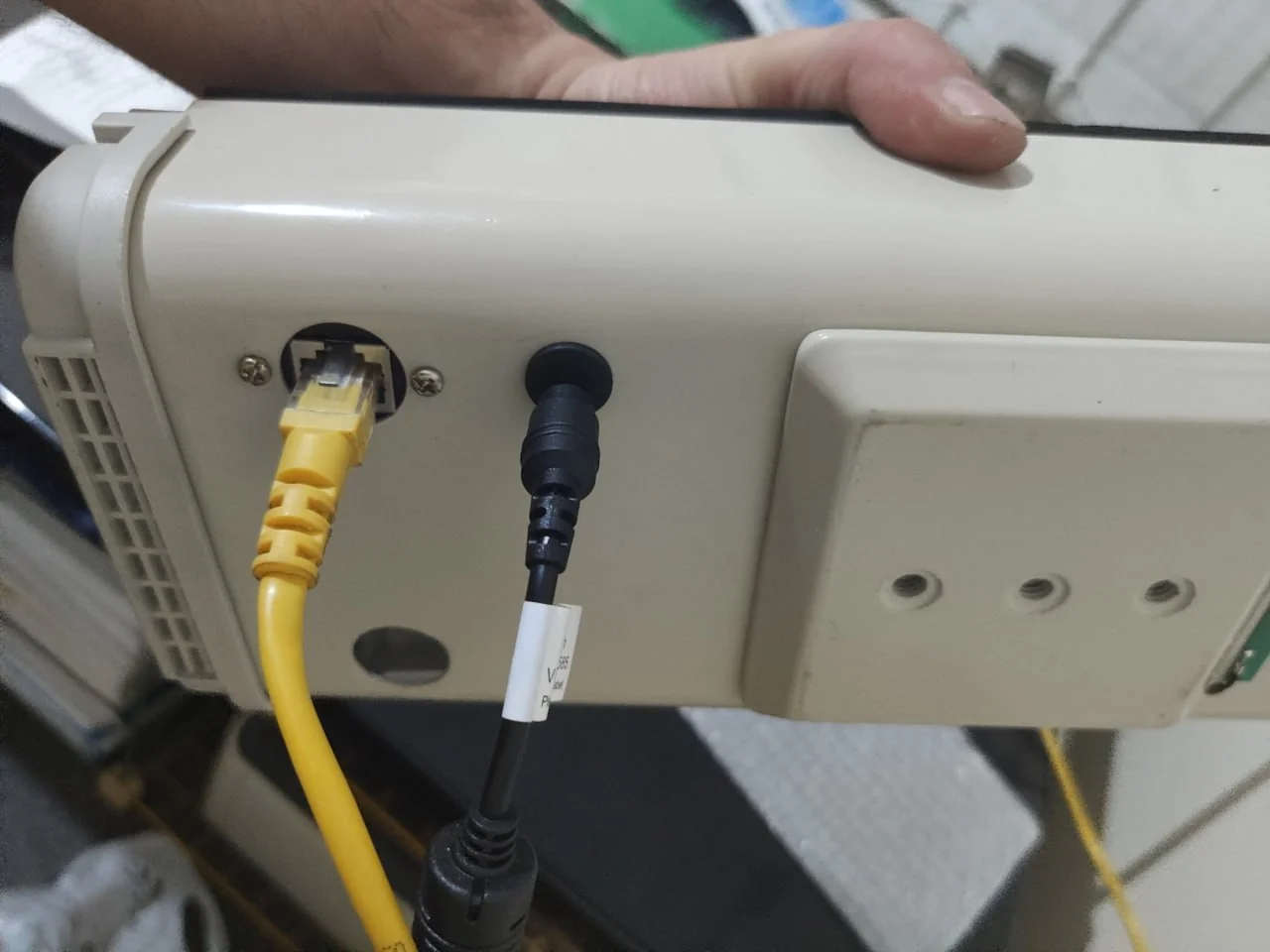
A Raspberry Pi provides the processing unit near the camera. The hardware design brings camera input, digital I/O and network communication into a compact assembly intended for installation alongside the monitored scene.
From detection to operator awareness
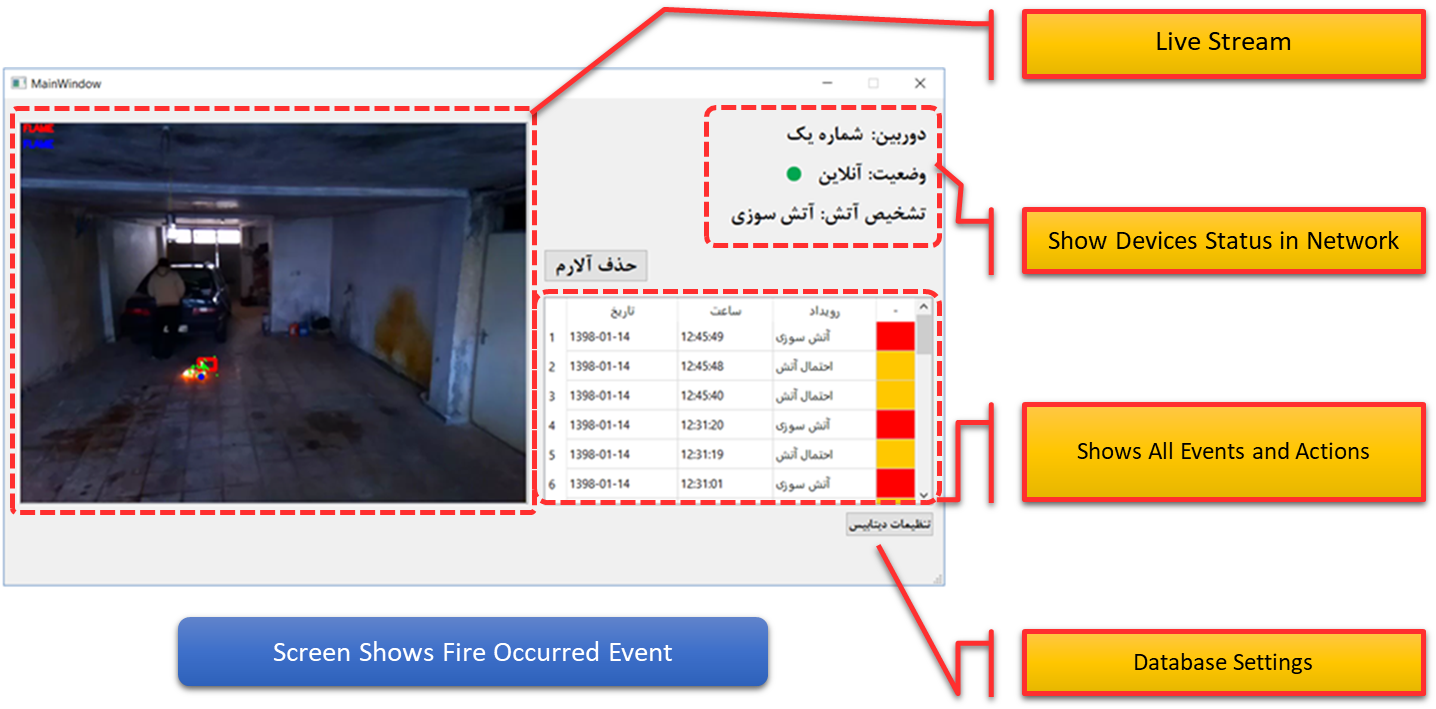
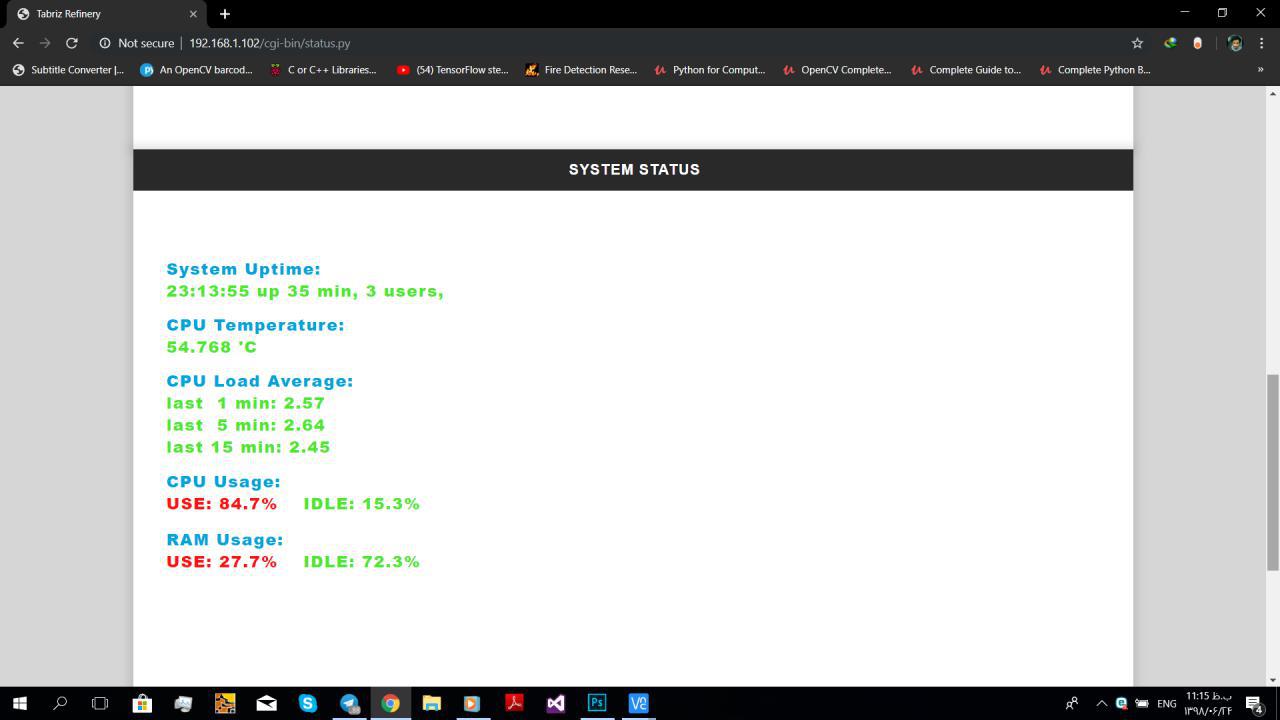
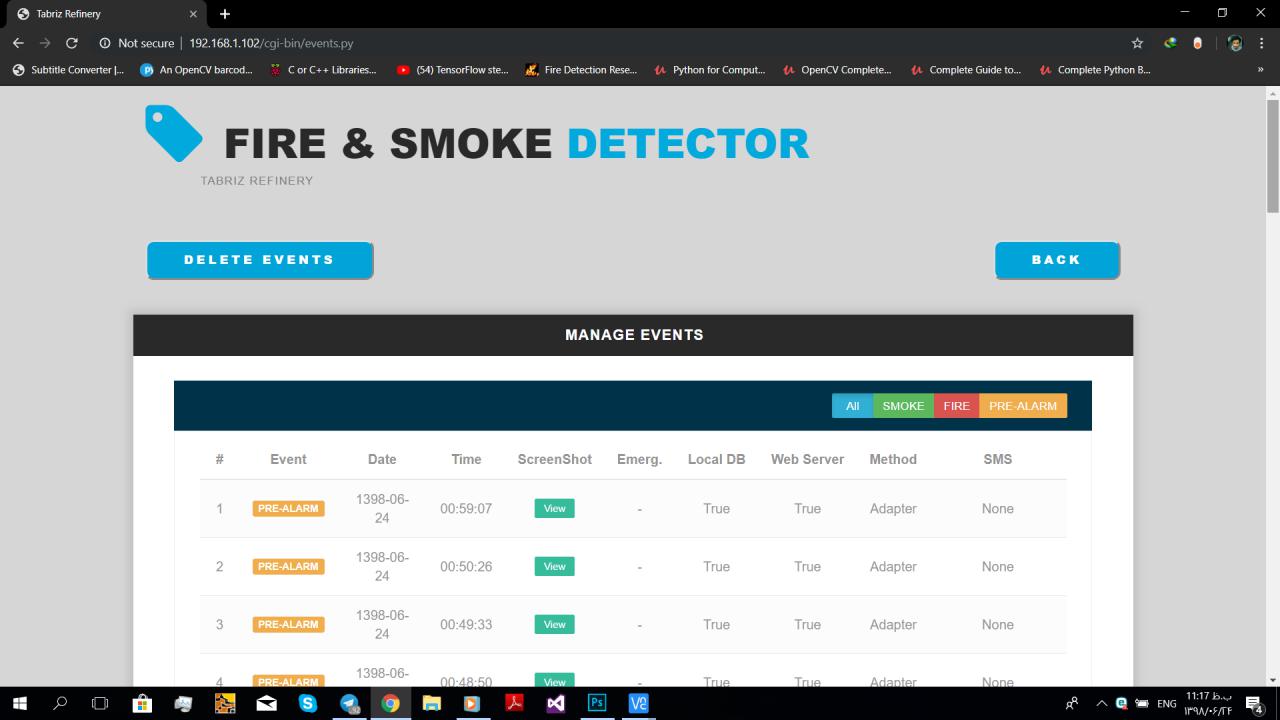
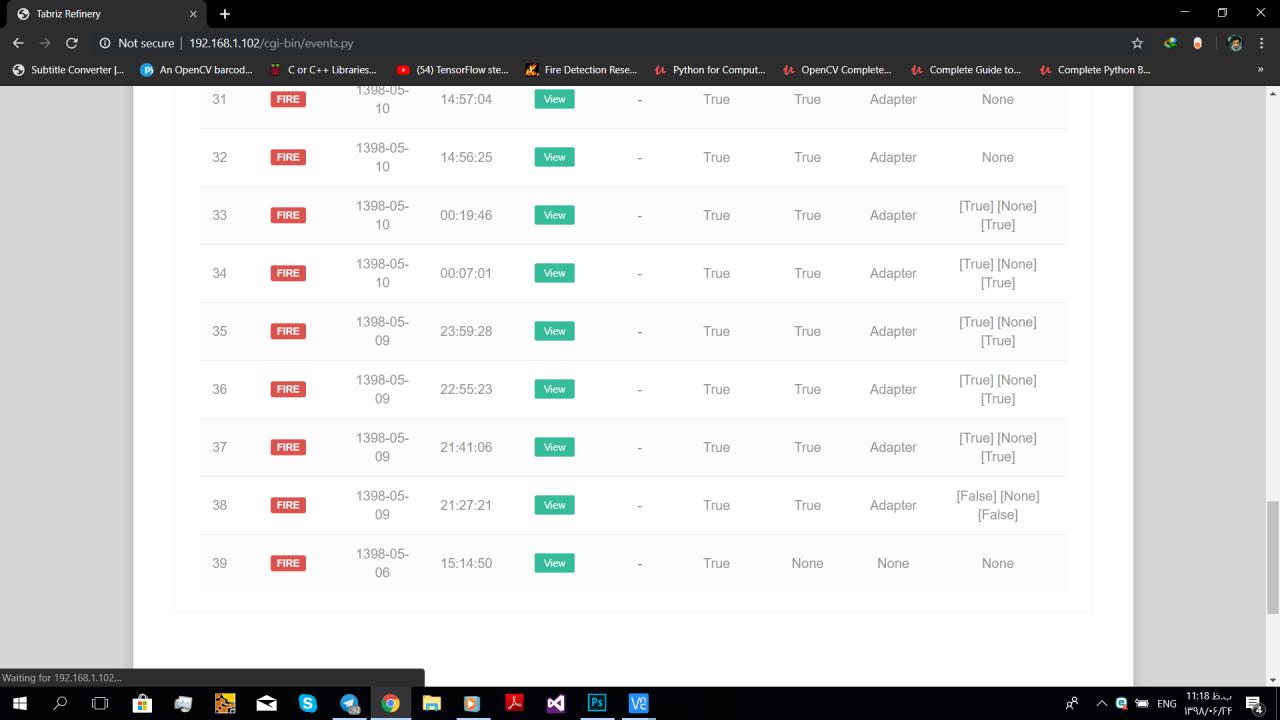
Detection events feed several output paths: hardware I/O, SMS/GSM, a local browser view and a Windows application. The desktop interface combines live imagery, network/device status and event records.
Live camera view
Pre-alarm and alarm events
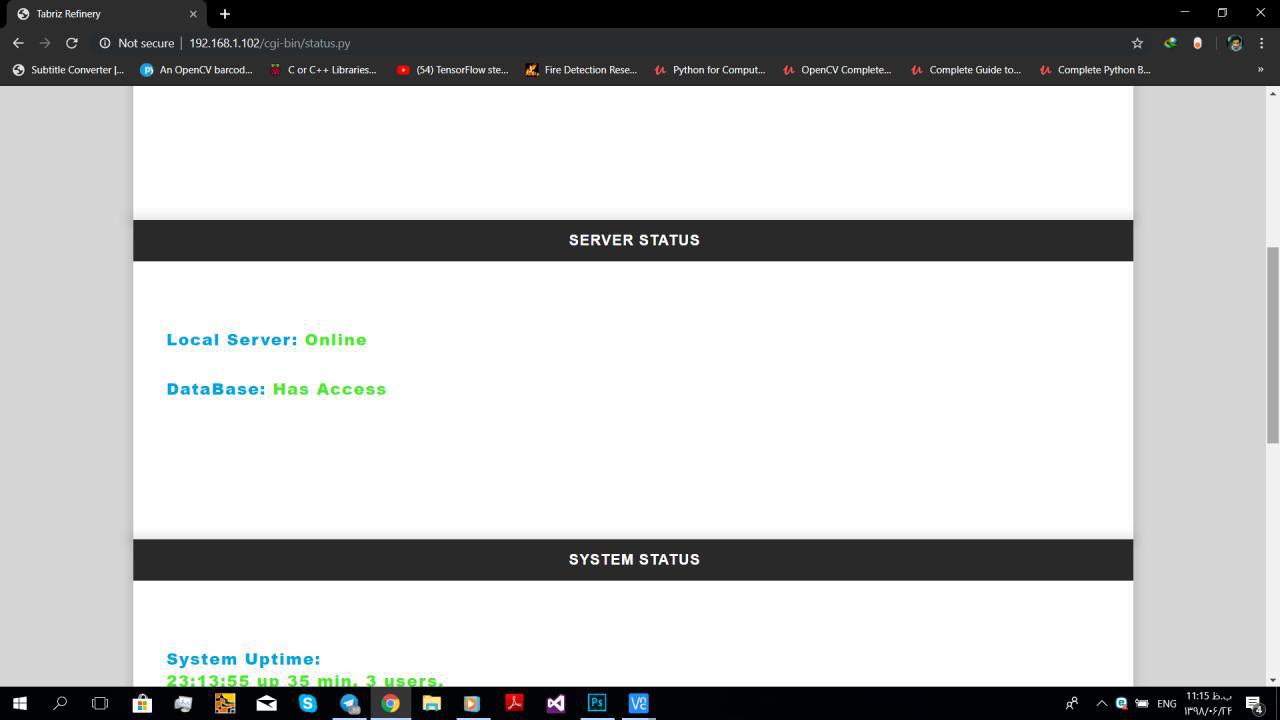
Device status and event history
Database connection settings
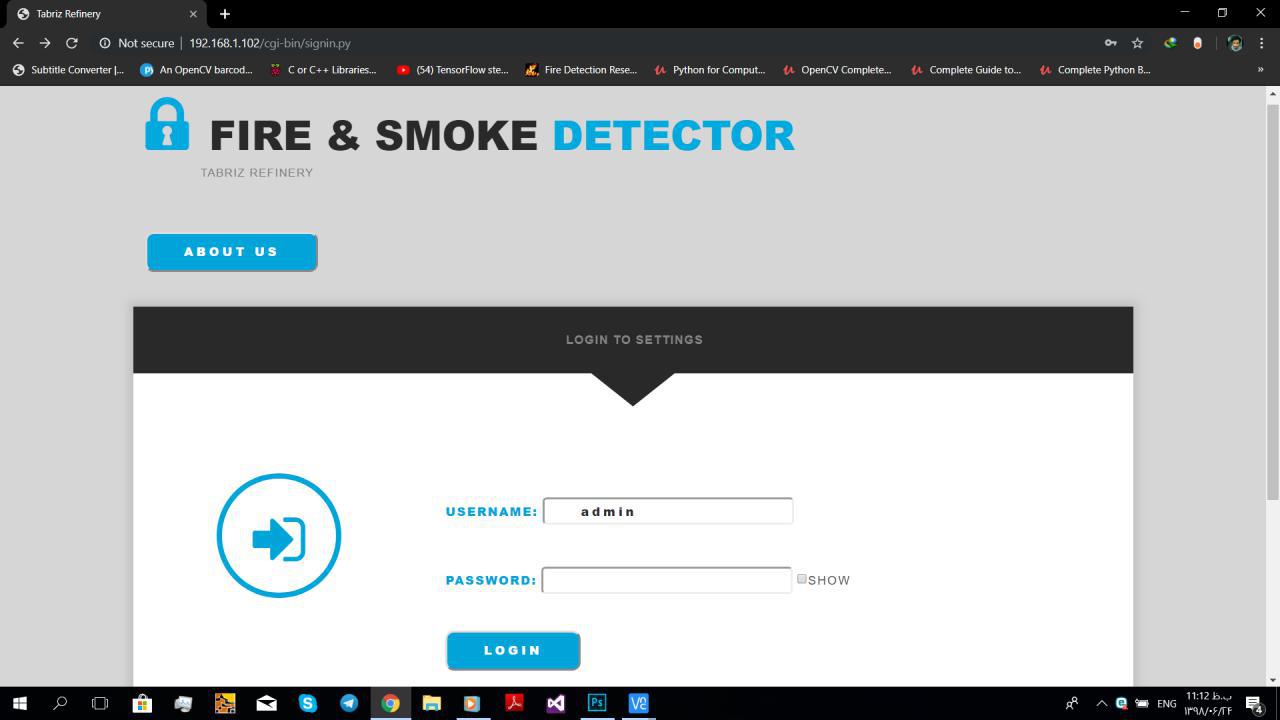
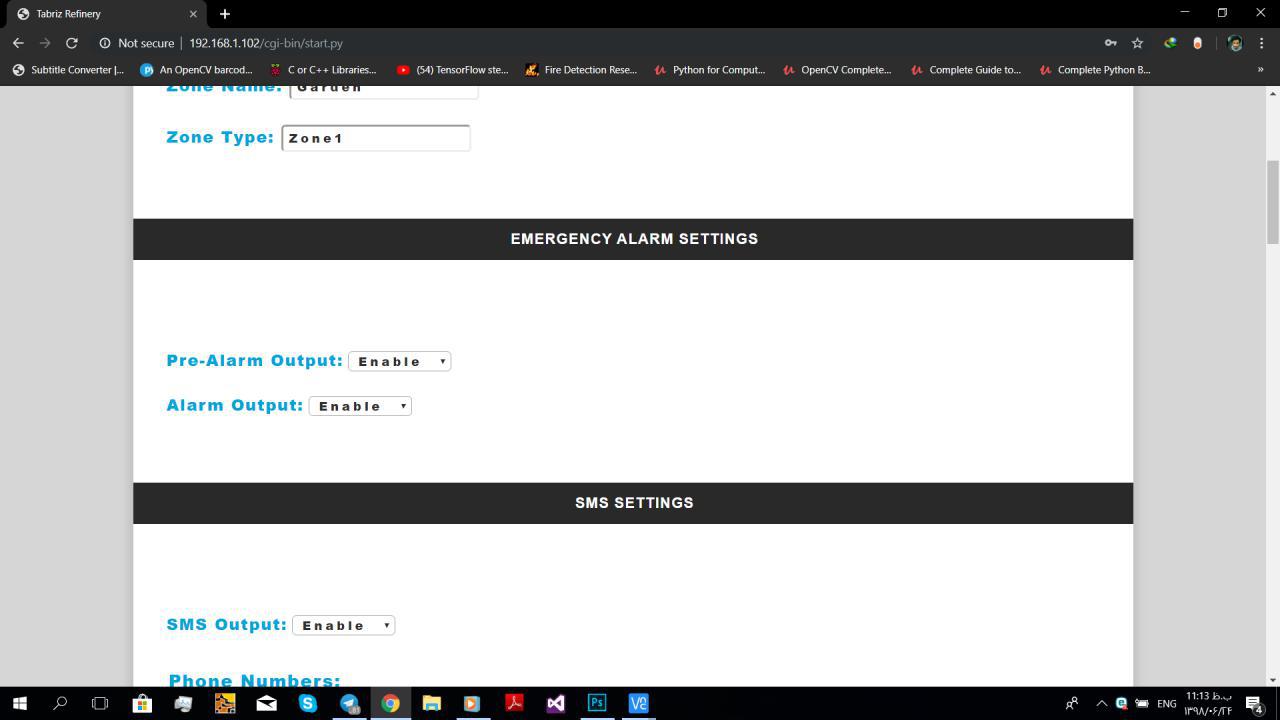
A browser interface for device settings
A local HTTP interface exposes configuration and monitoring without a dedicated desktop installation. Its settings cover device status, emergency outputs and SMS-related functions.
Hardware development and testing
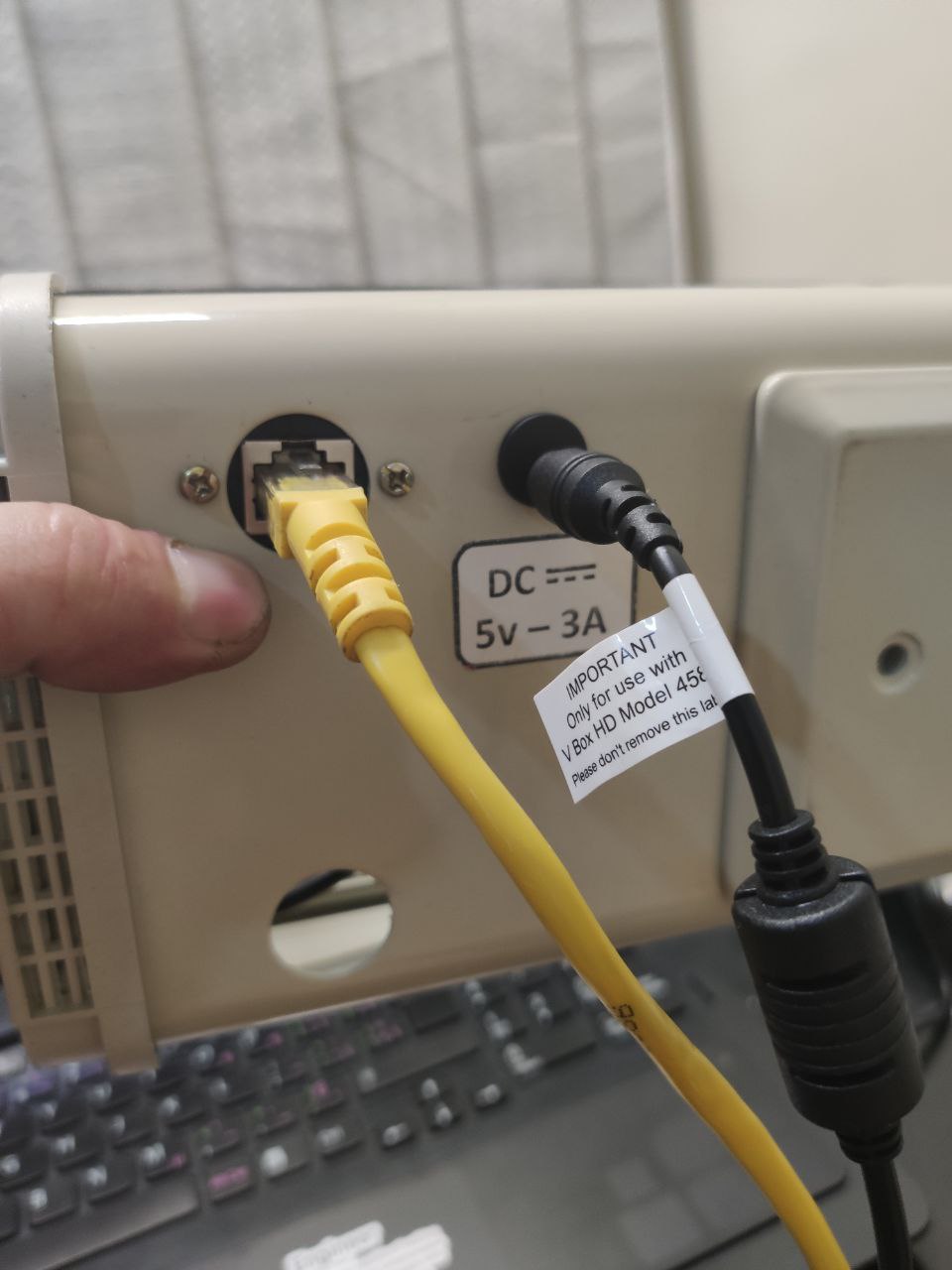
The project includes an enclosed prototype and a CCTV-style assembly with GSM connectivity. Internal hardware photographs, a schematic, interface screenshots and demonstration recordings show how the vision software and physical device were brought together.
Software, hardware & tools.
Software
- C++ vision processing & neural-network experiments
- Python desktop & web monitoring
Hardware
- Raspberry Pi
- Pi Camera
- Custom electronics
- SIM800 GSM module
- Enclosure variants
- Hardware alarm outputs
Technology stack
- Computer vision
- Embedded integration
- Alert workflows
Working on a related challenge?
Get in touch about Python, embedded systems or a research opportunity.
Embedded QR Scanning Appliance
Embedded systems