Two-Line Caller ID
A Windows/Python application that monitors two telephone lines, identifies incoming callers and brings their saved customer information into view.
Python desktop application development
What stands out.
- Serial hardware event integration
- Incoming caller-to-record matching
- Desktop interface & spreadsheet call history
From the problem to the implementation.
The problem
Help an operator connect an incoming call with a customer record without manually searching a separate contact list.
The approach
- Read caller numbers from a serial caller-ID device.
- Stored a customer contact list with address, identifier and optional secondary number.
- Displayed matching information on subsequent calls and saved incoming-call records to spreadsheets.
What came together
A two-line caller-ID workflow combining serial hardware, a Tkinter desktop interface and XLS call logging.
Inside the project
1 image
Enlarge imageSee it in action
Two-line caller-ID application
Two-line caller-ID application test. Silent demonstration.
Open videoHow the system works
Select a block to explore its role.
A guided illustration of the system components.
Telephone lines
Two lines provide incoming caller-ID events.
Serial adapter
Dedicated hardware reports the incoming number to the computer.
Python application
The application receives and matches the number.
Customer context
Saved information appears in the Tkinter interface.
Call log
Incoming calls are retained in spreadsheet files.
The detail behind the build
Two telephone lines, one interface
The desktop application listens to a serial caller-ID device connected to two business telephone lines. When a number arrives, the application links it to the stored customer information.
Turning a first call into a useful record
The operator can save a new caller with an address, customer identifier and optional additional number. On a later call, the matching record is displayed so the operator has context at the start of the conversation.
A call history outside the application
Incoming calls are saved to XLS files for later reference. Python, Tkinter, Pyserial and openpyxl provide the main desktop and data-handling workflow.
The hardware boundary
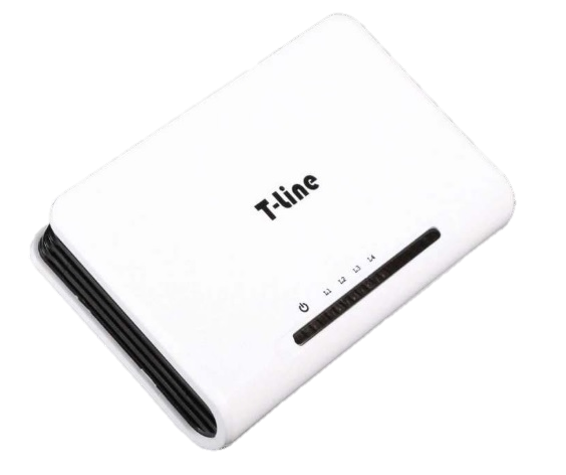
A Windows PC runs the application while a dedicated serial device receives caller-ID information from the telephone lines. The project media shows the adapter and a short application test.
Software, hardware & tools.
Software
- Python Windows application
- Serial event handling & call logging
Hardware
- Windows PC
- Two-line serial caller-ID adapter
Technology stack
- Python
- Device integration
- Desktop applications
Working on a related challenge?
Get in touch about Python, embedded systems or a research opportunity.
Industrial Alarm Monitoring
Embedded systems